Tioga Road to Eastern Sierra Nevada
Describes a scenic drive along California State Route 120, highlighting its high elevation and diverse landscapes, including alpine lakes, meadows, granite peaks, and the unique Mono Lake.
Tags: California, East Sierra Nevada, Lakes, Limestone, Tioga Pass, Yosemite
Map: Tioga Road (37.8736004, -119.3586065)
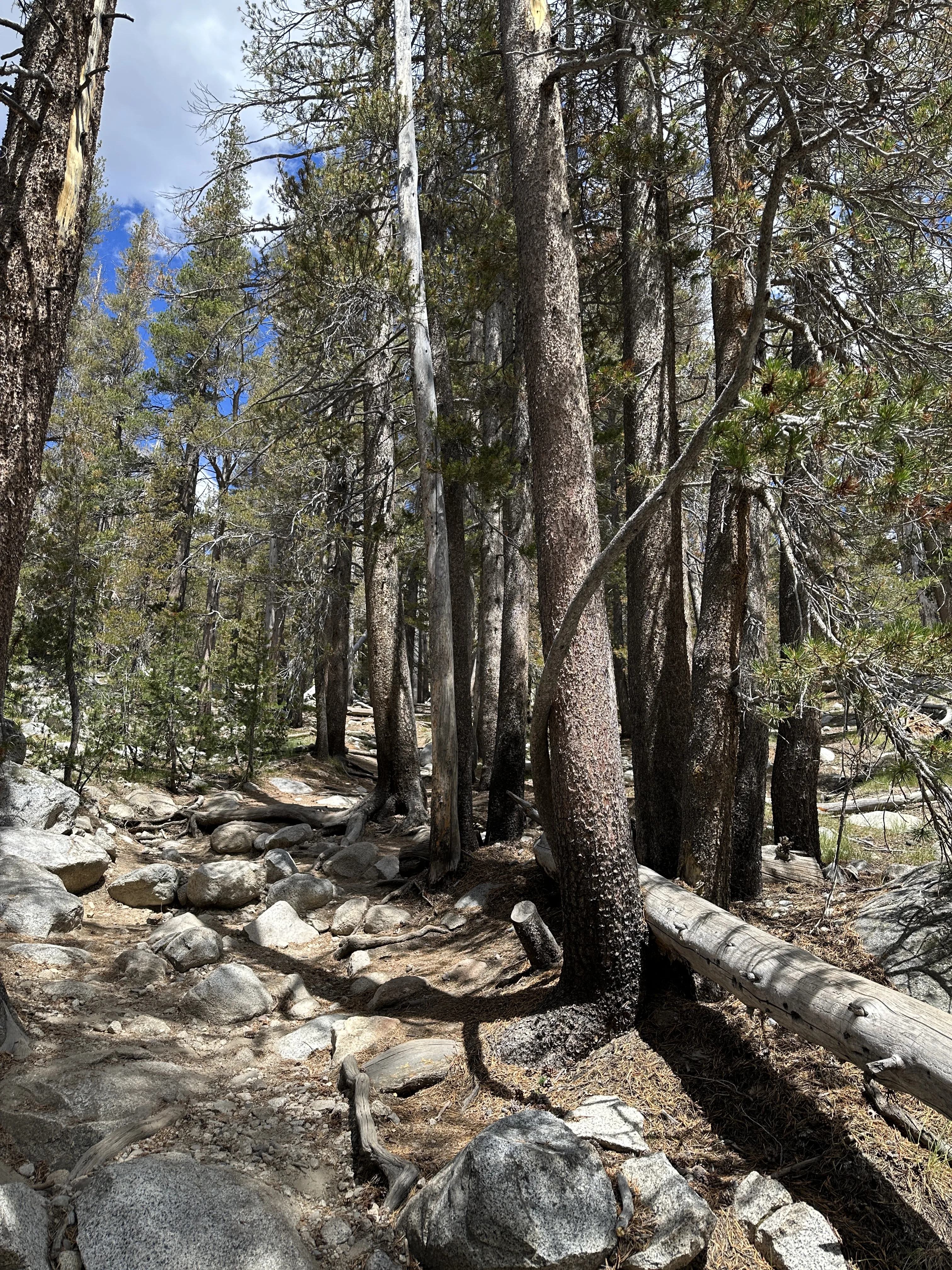
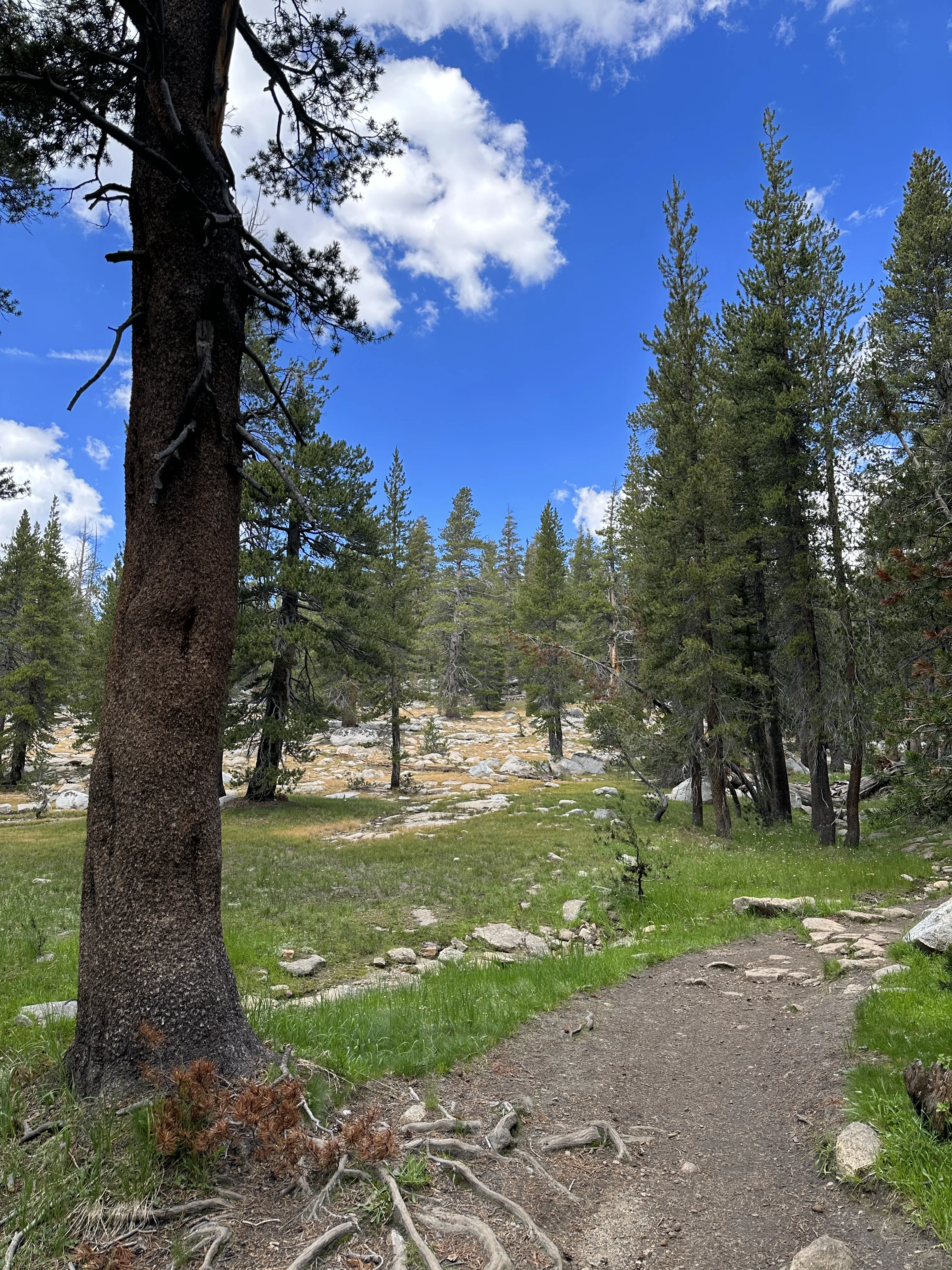
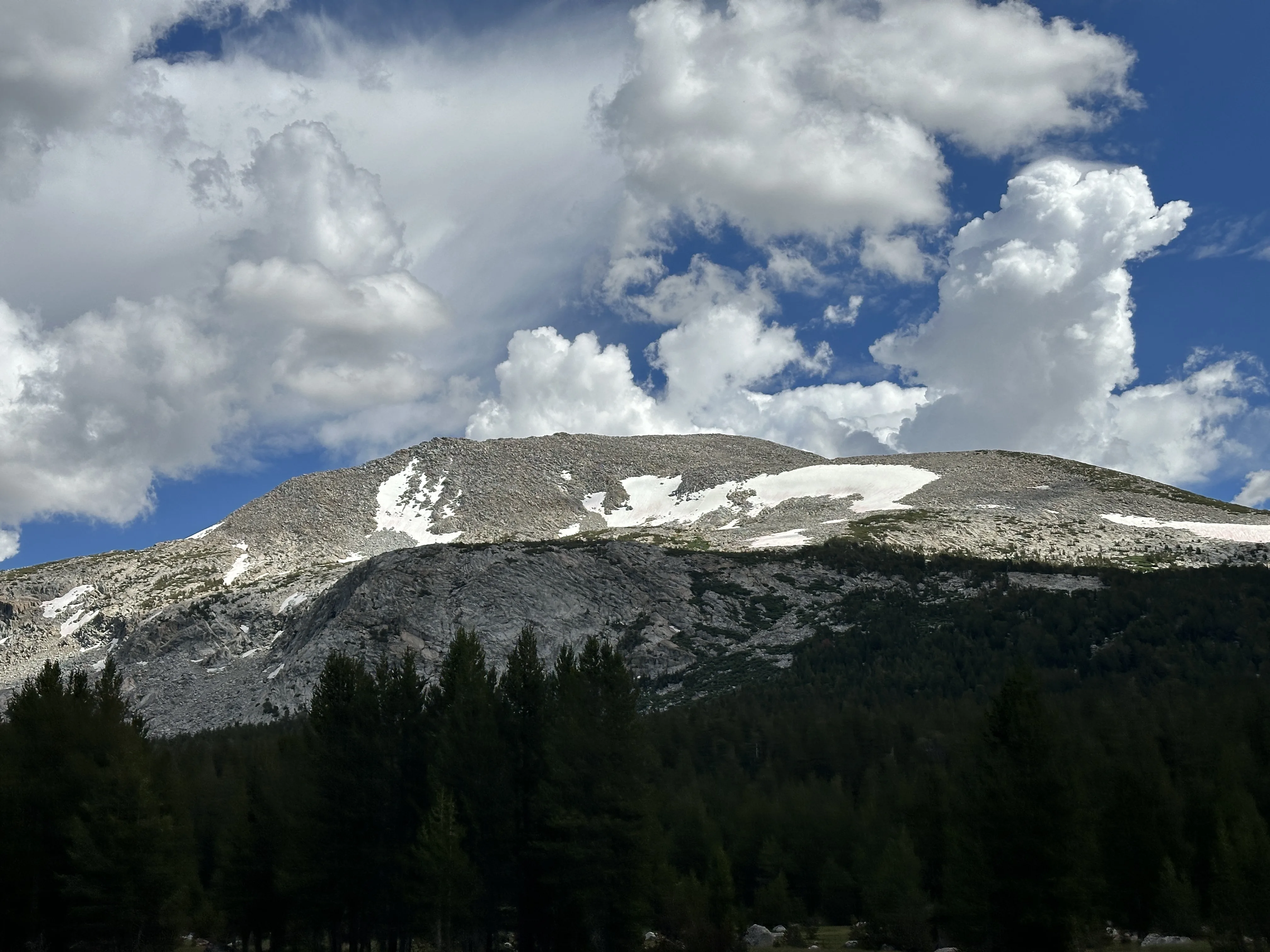
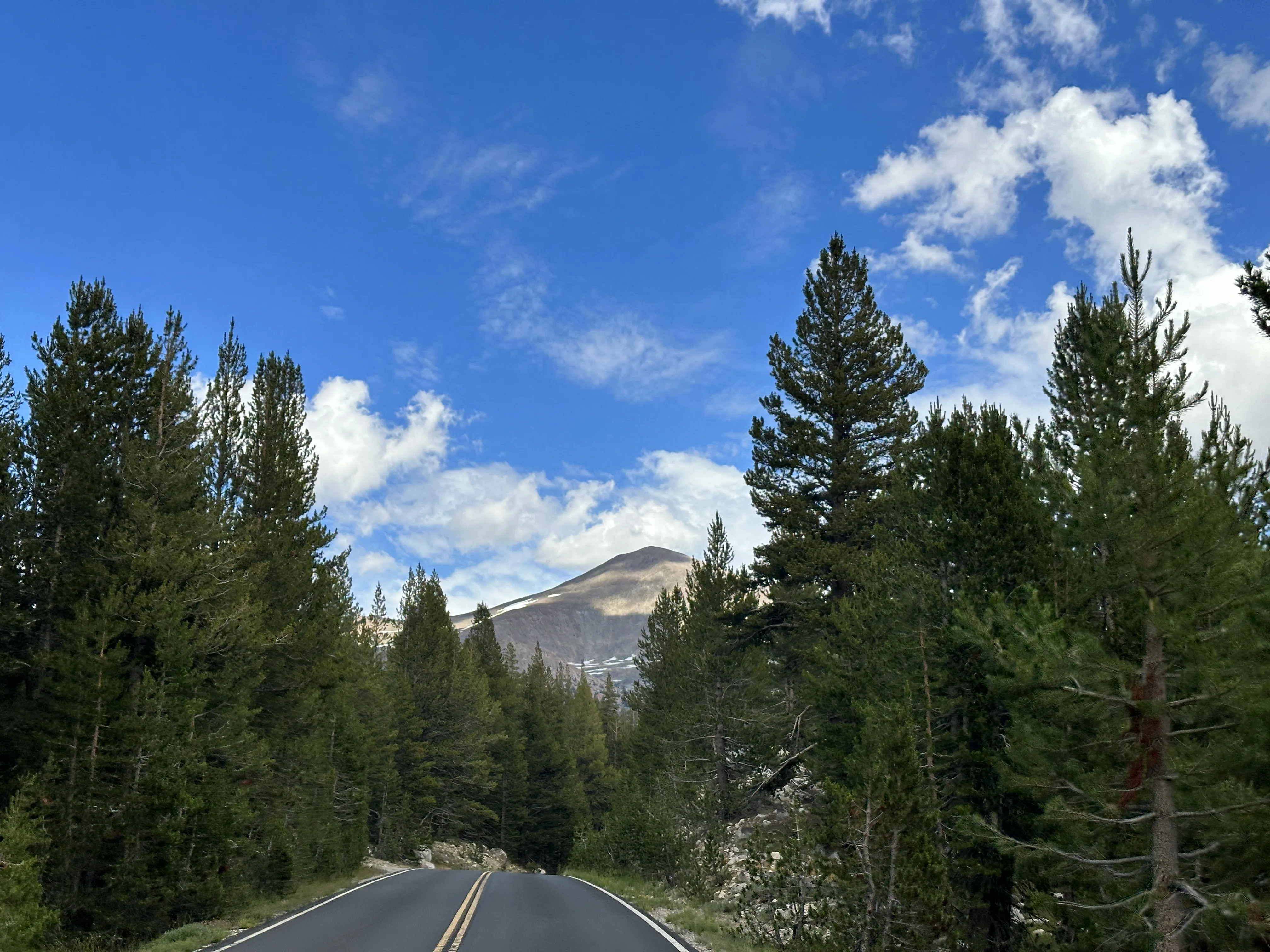
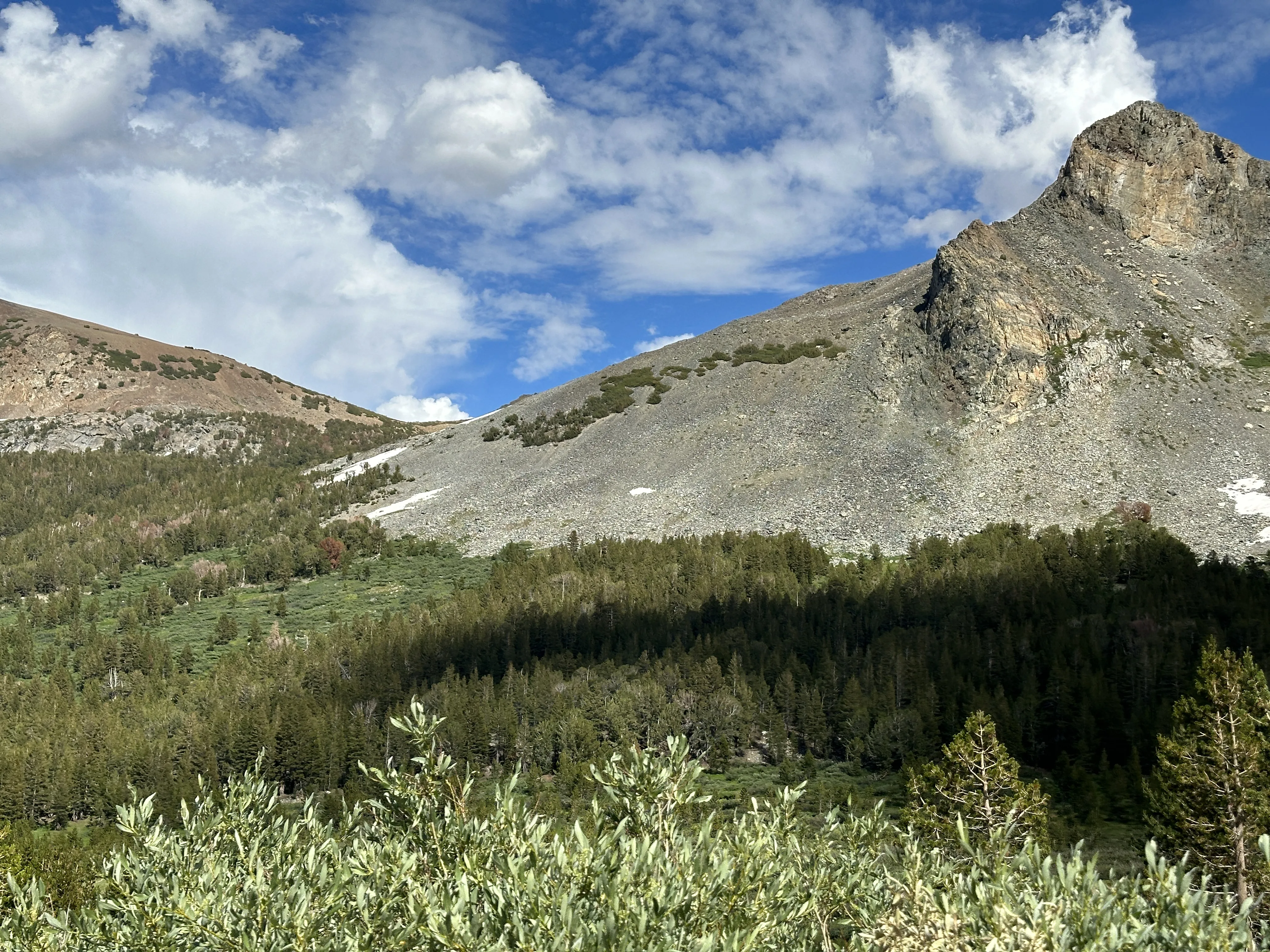
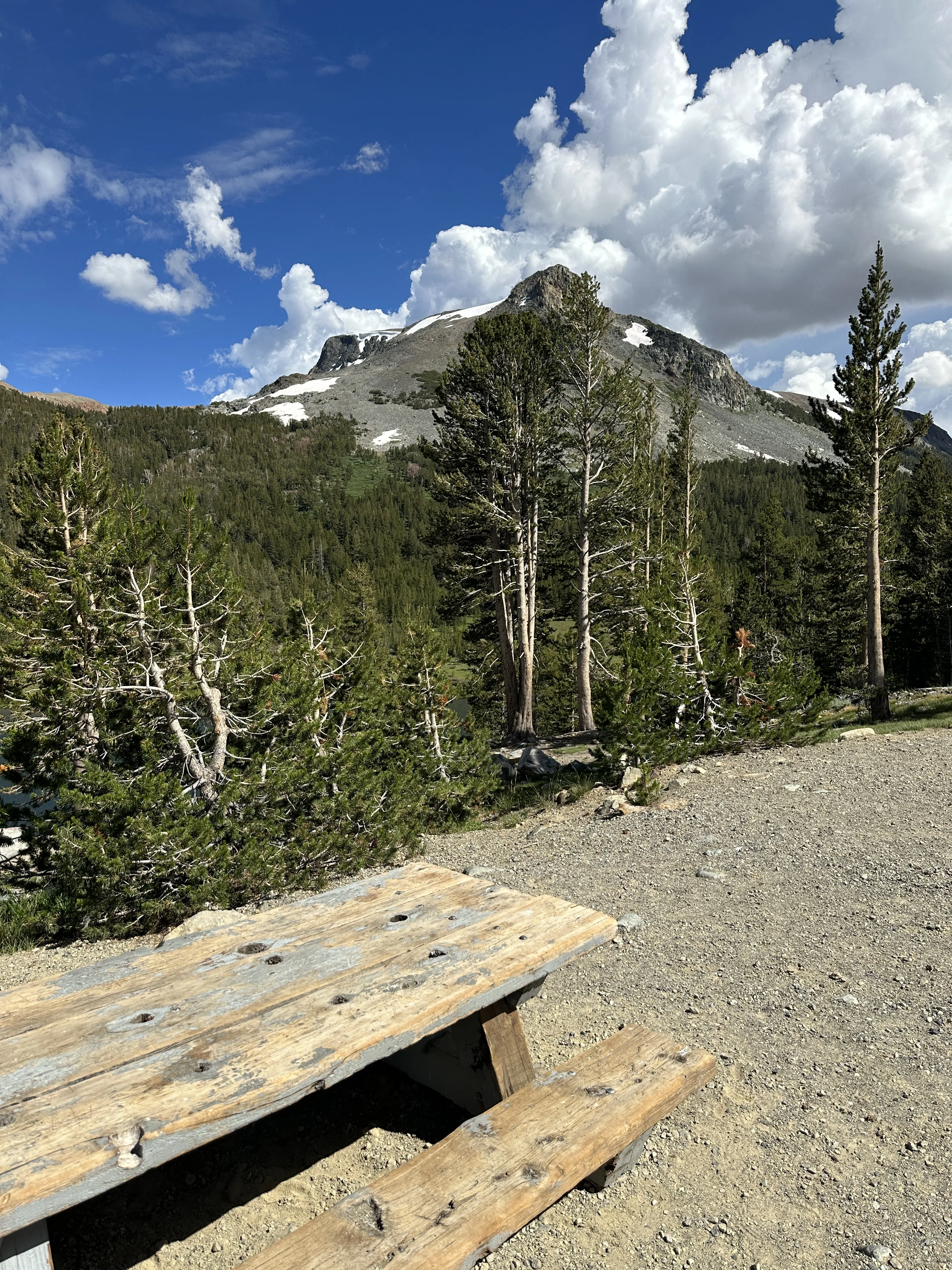
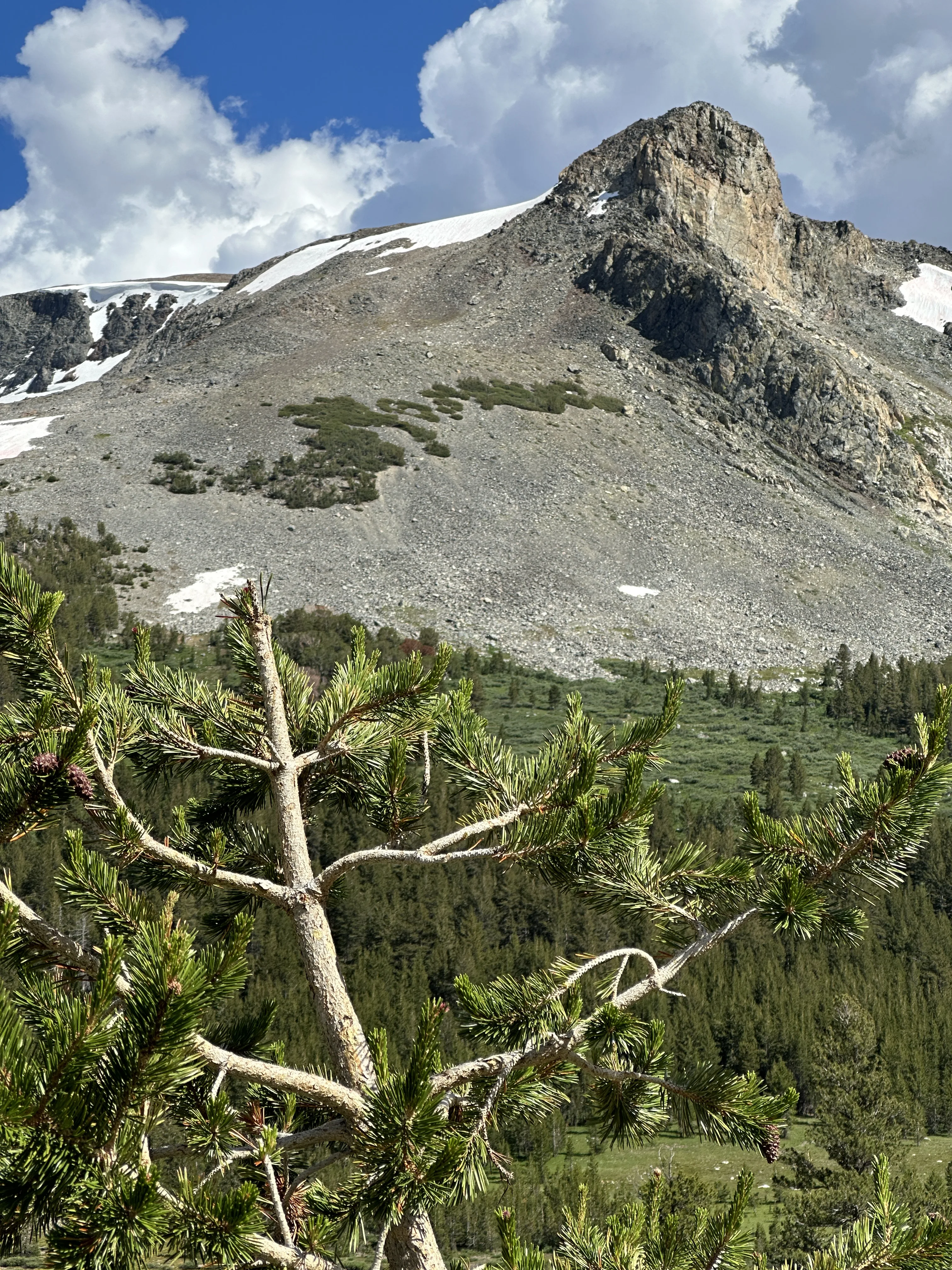
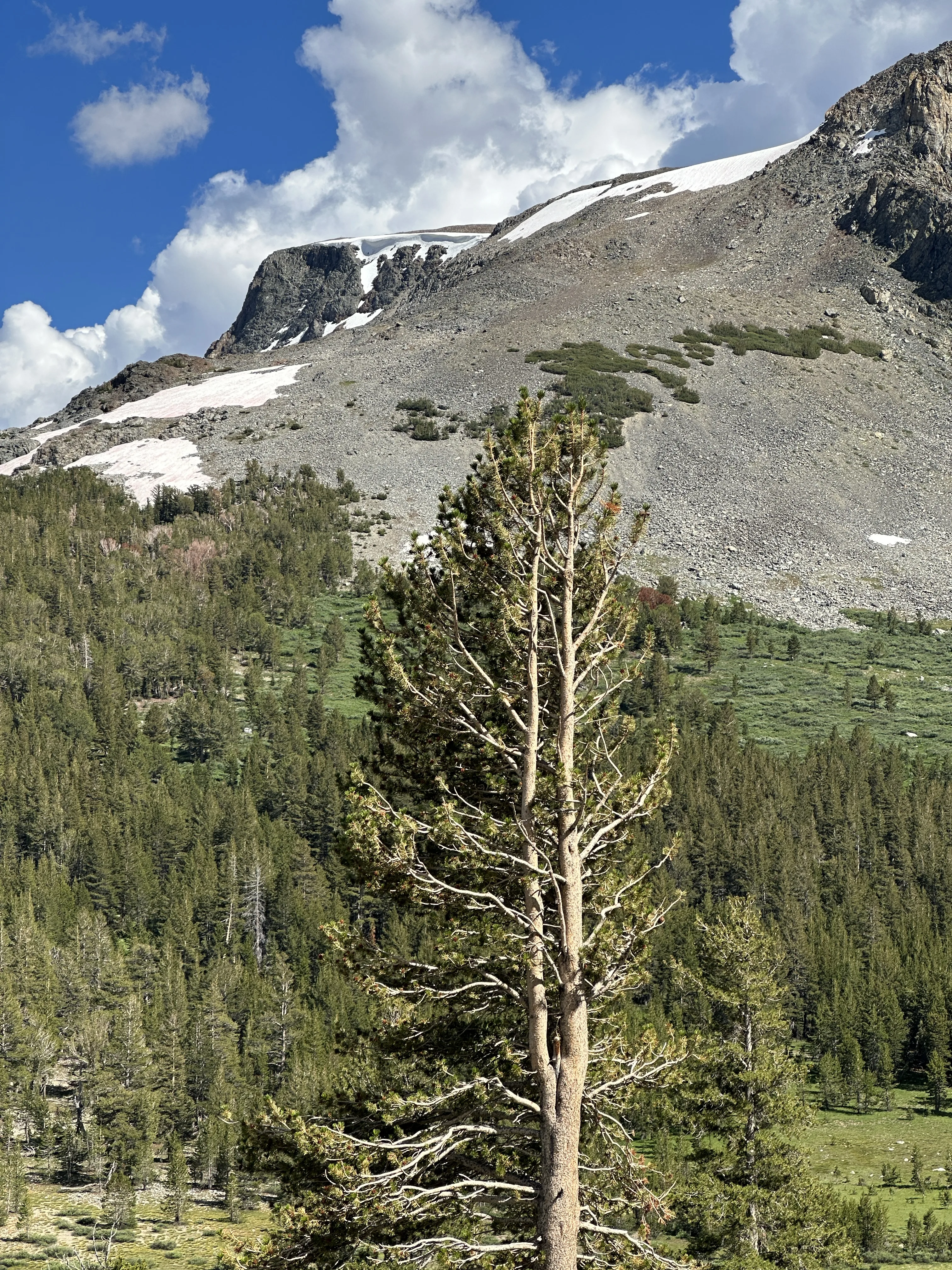
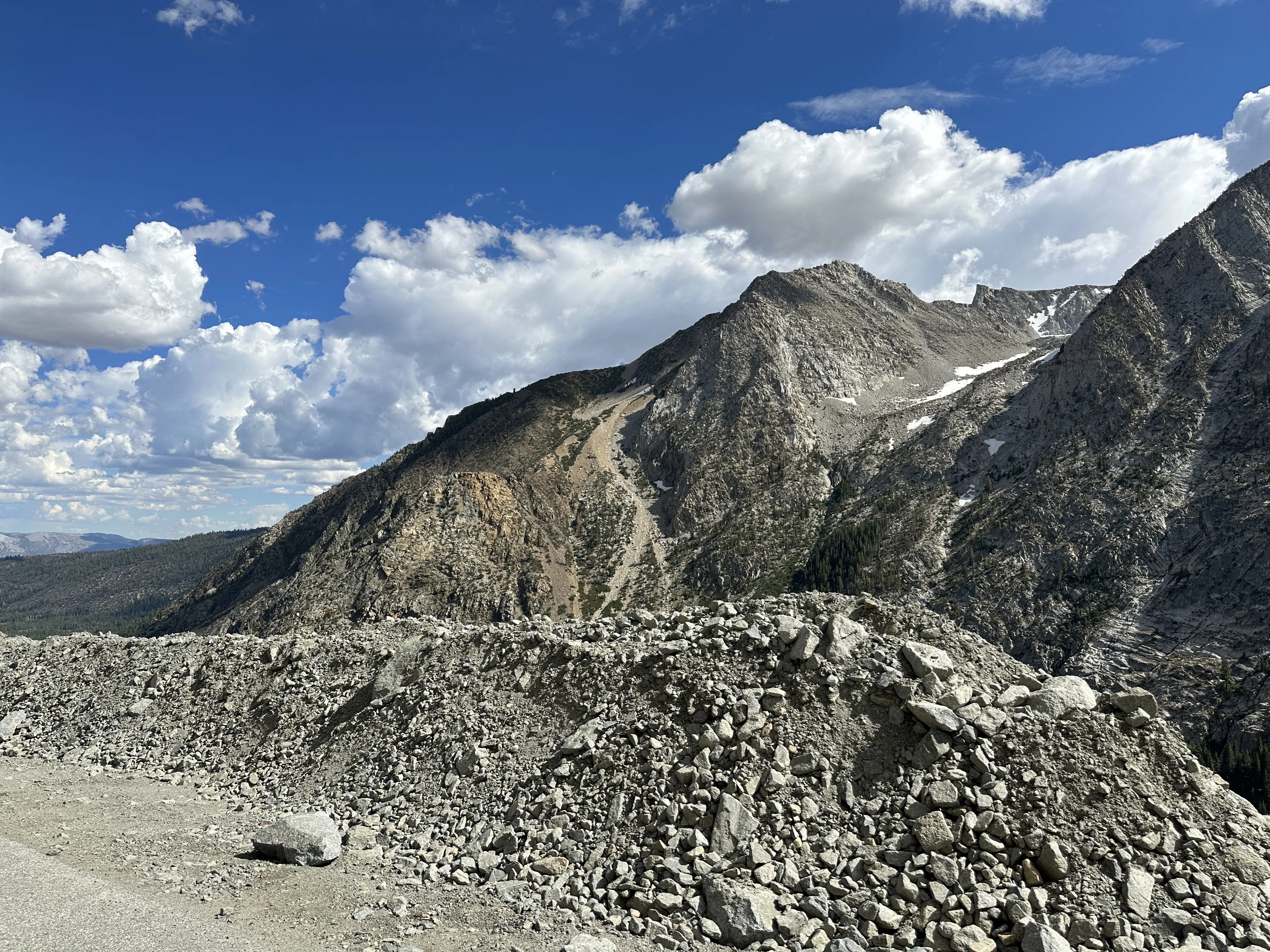
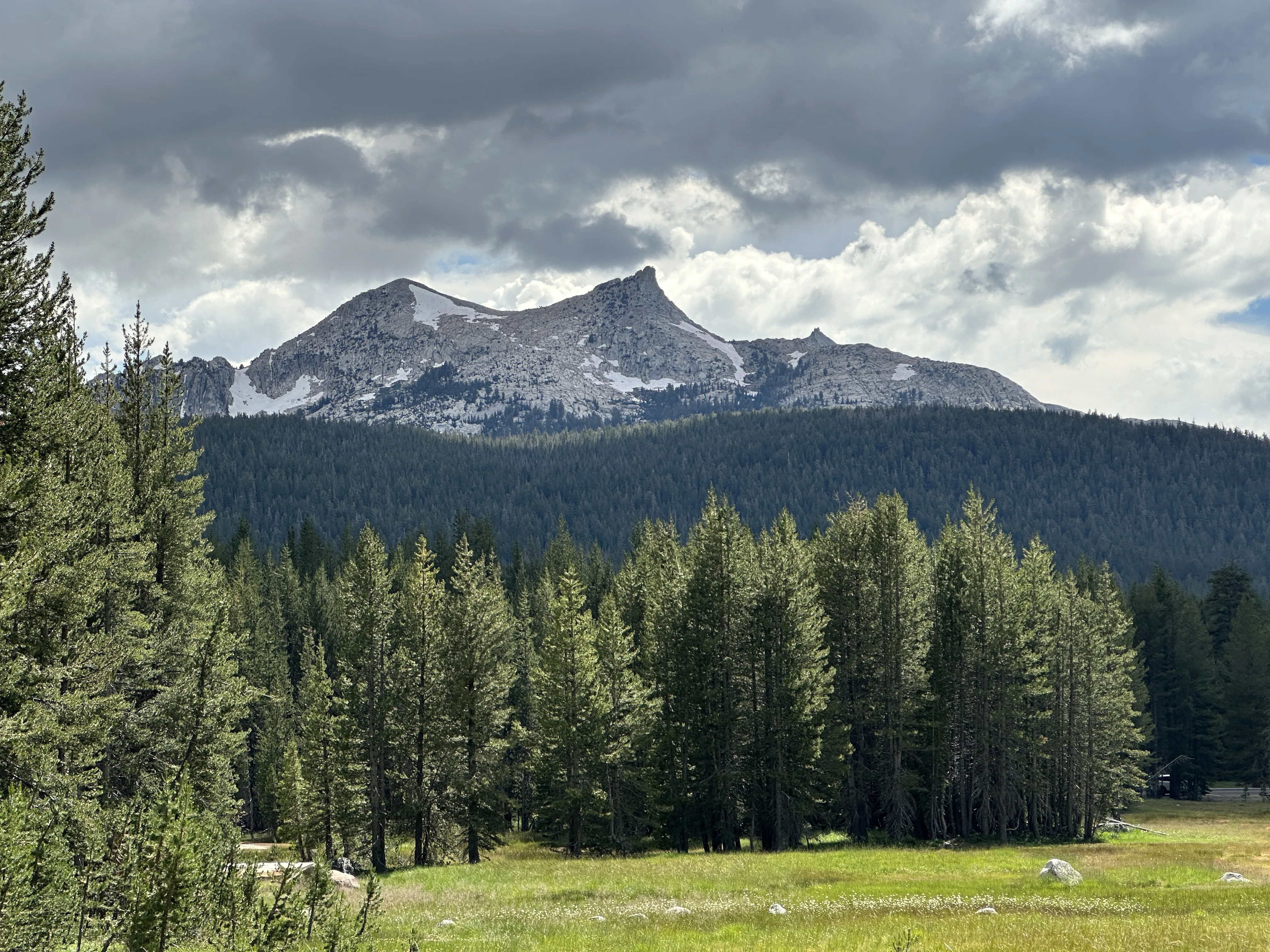
Tioga Road, the stretch of California State Route 120 that crosses Yosemite’s high country, is one of those drives where the road itself becomes the destination. It climbs from Crane Flat through forests, lakes, meadows, granite domes, and open sky before reaching Tioga Pass and descending toward Lee Vining, Mono Lake, and U.S. Route 395.
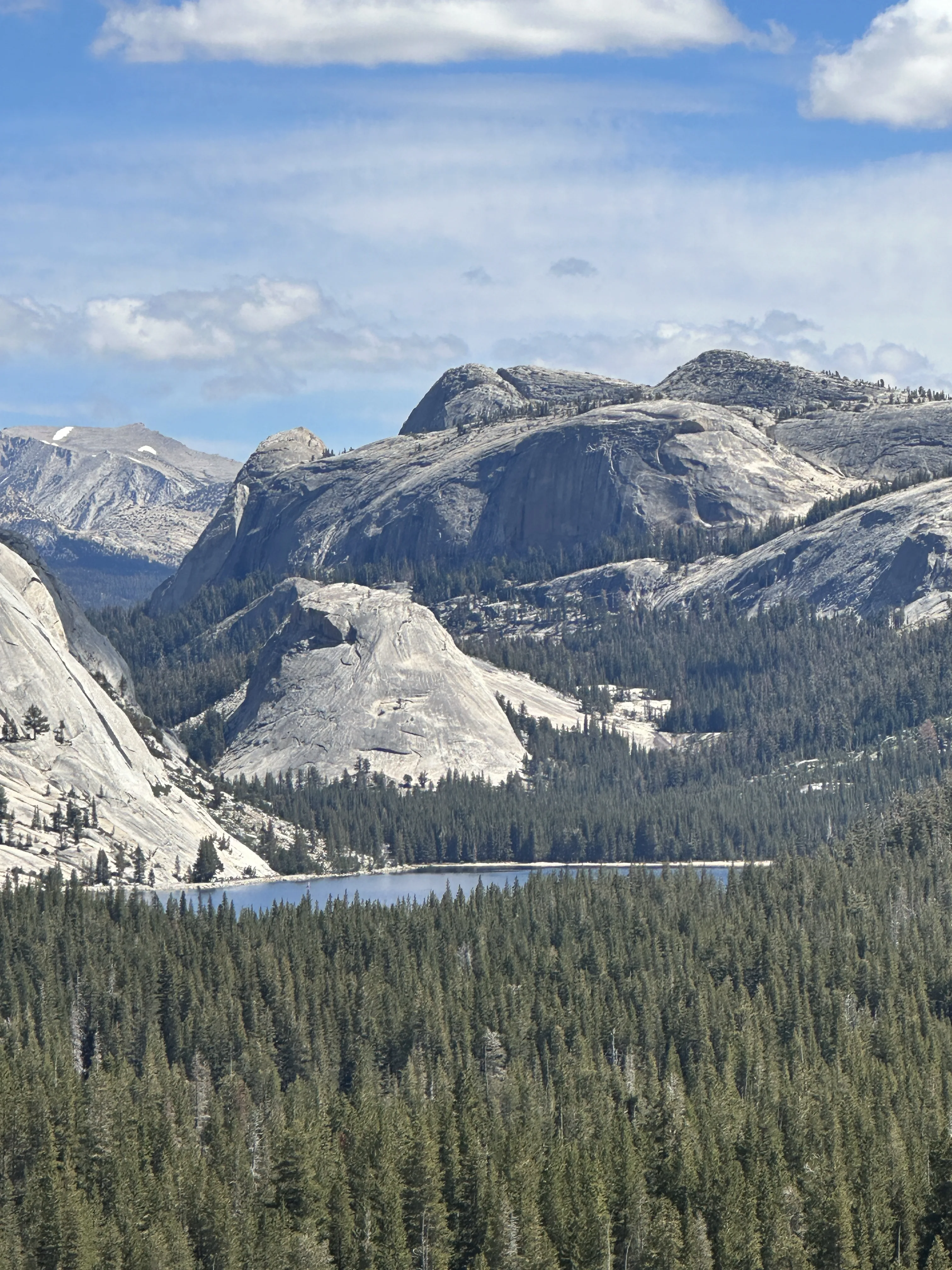
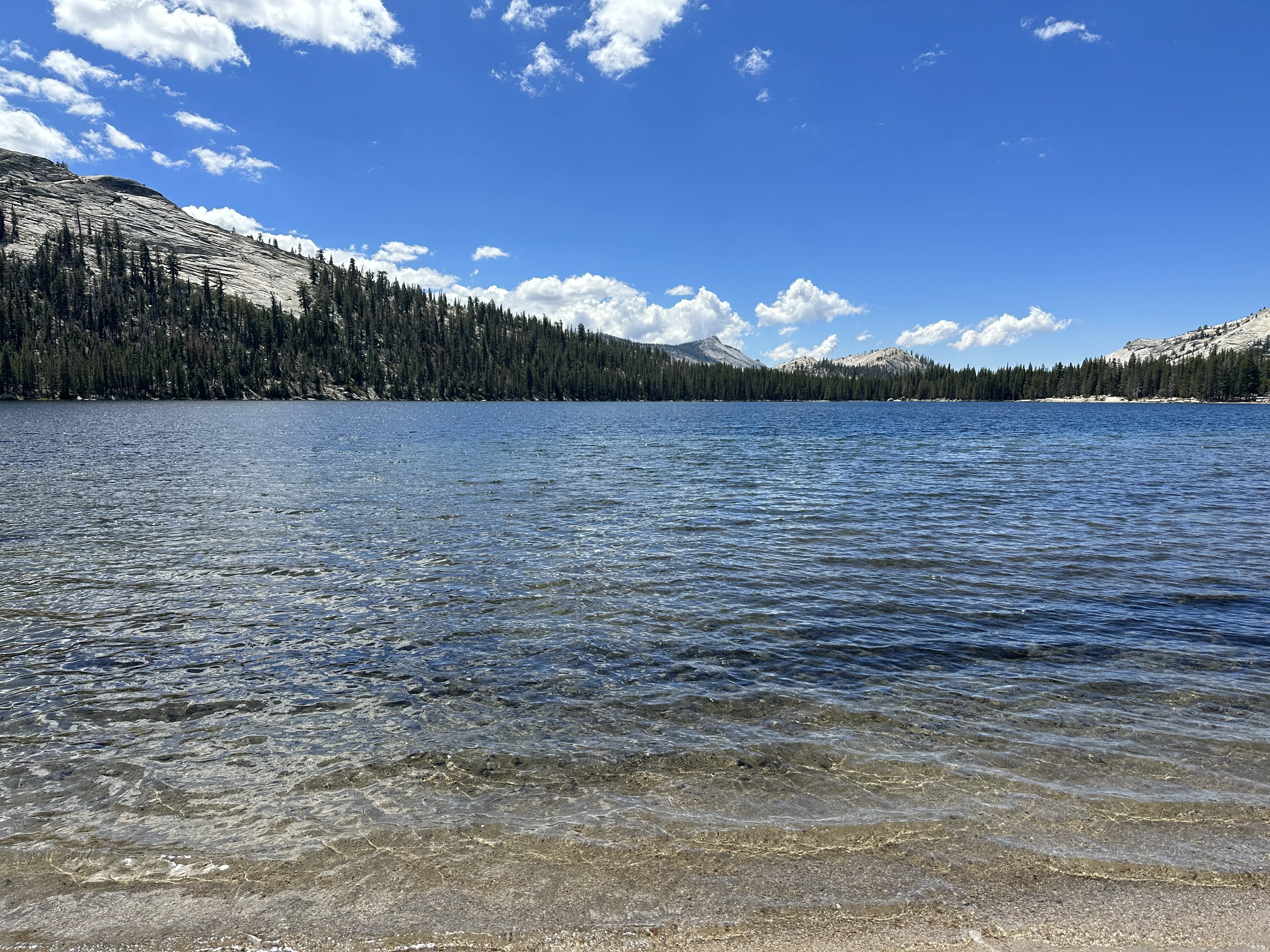
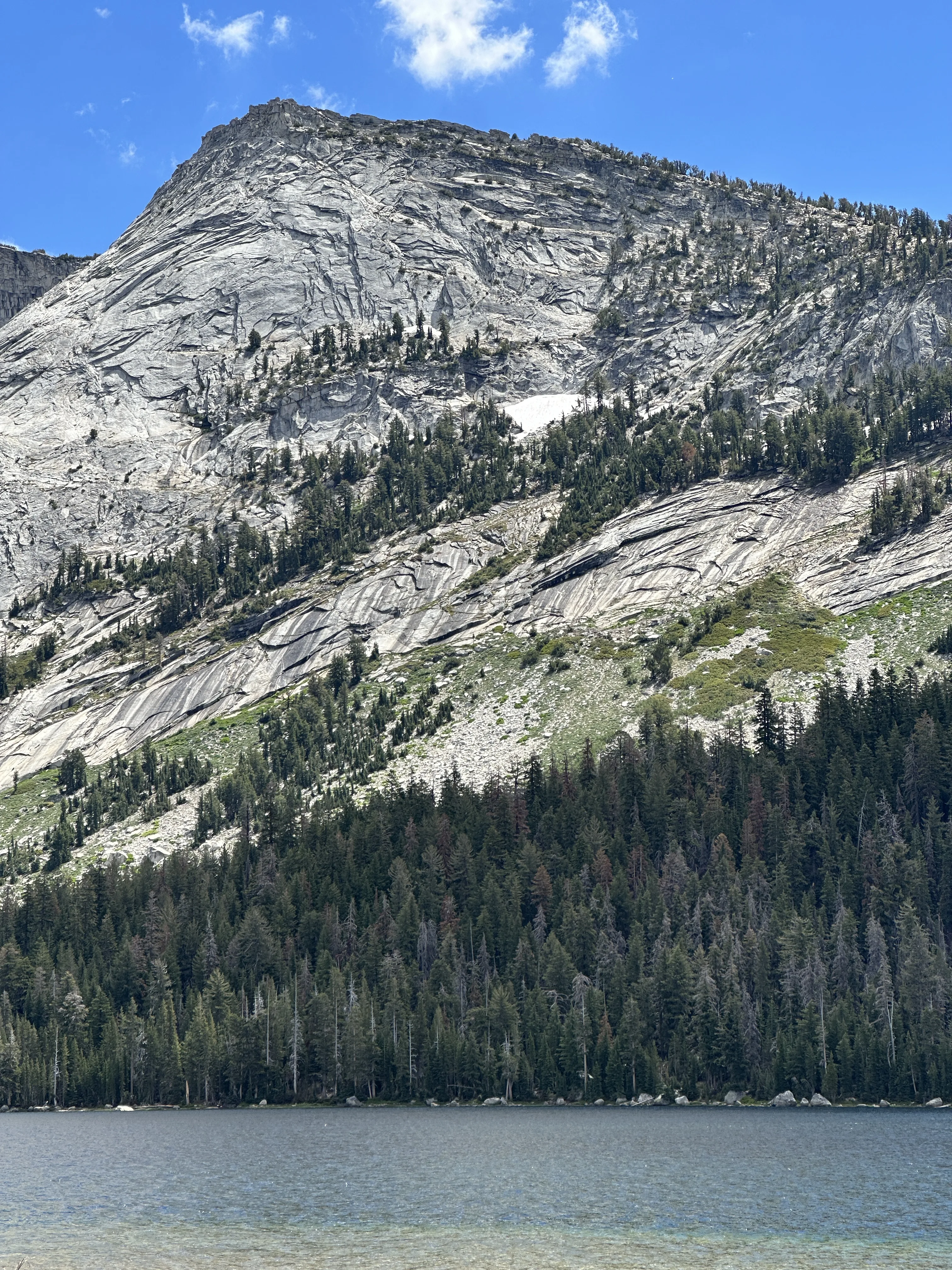
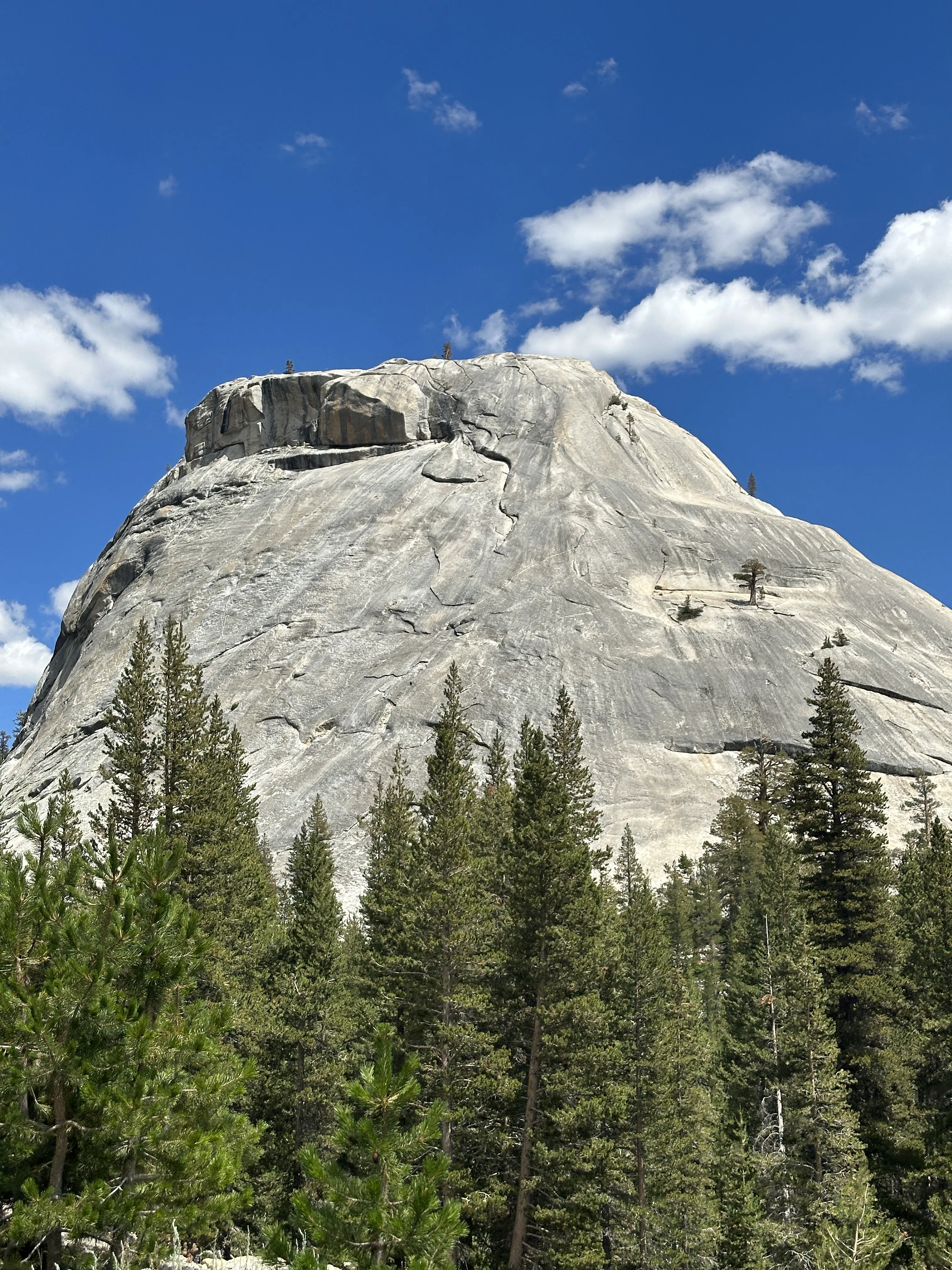
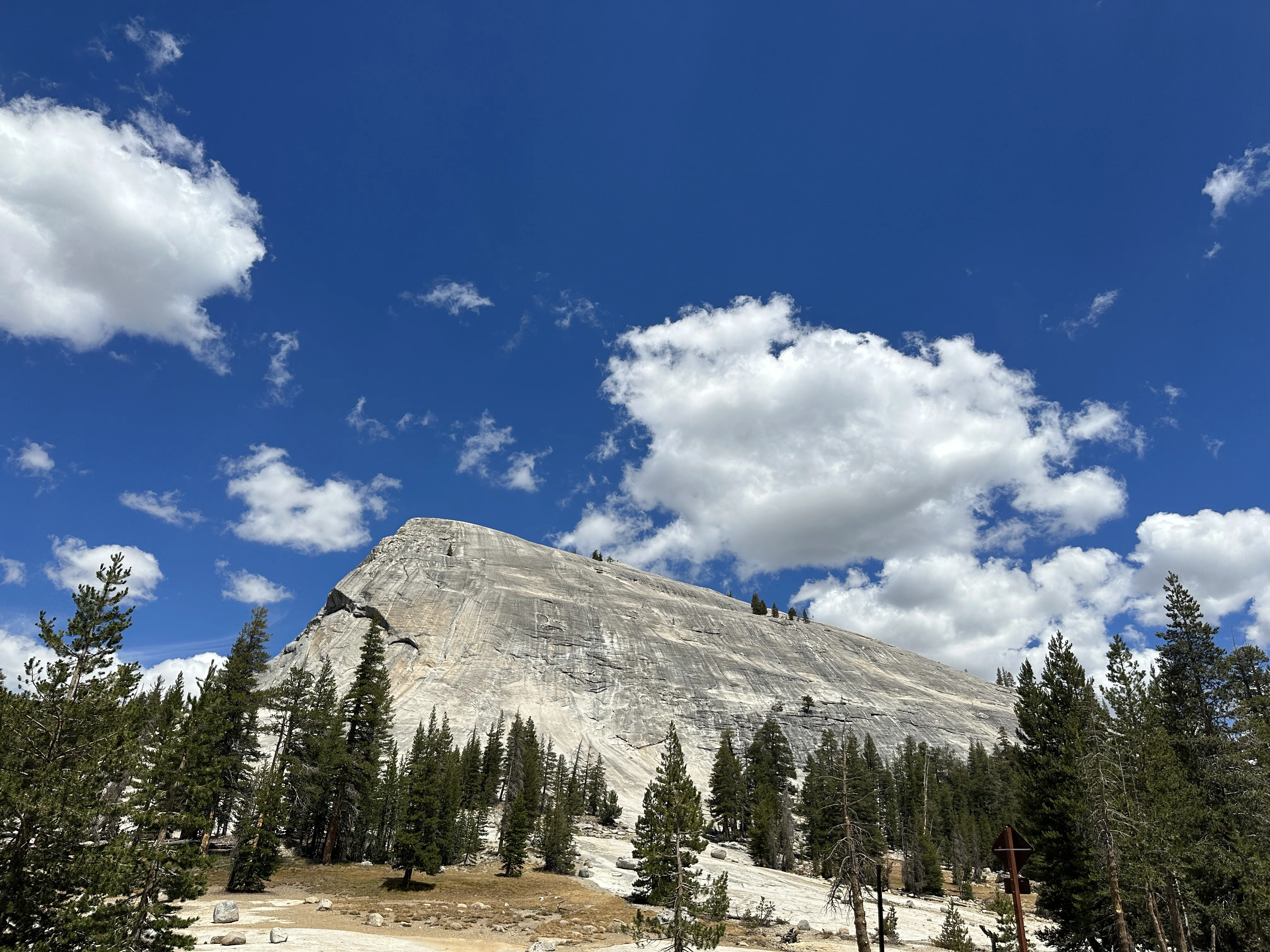
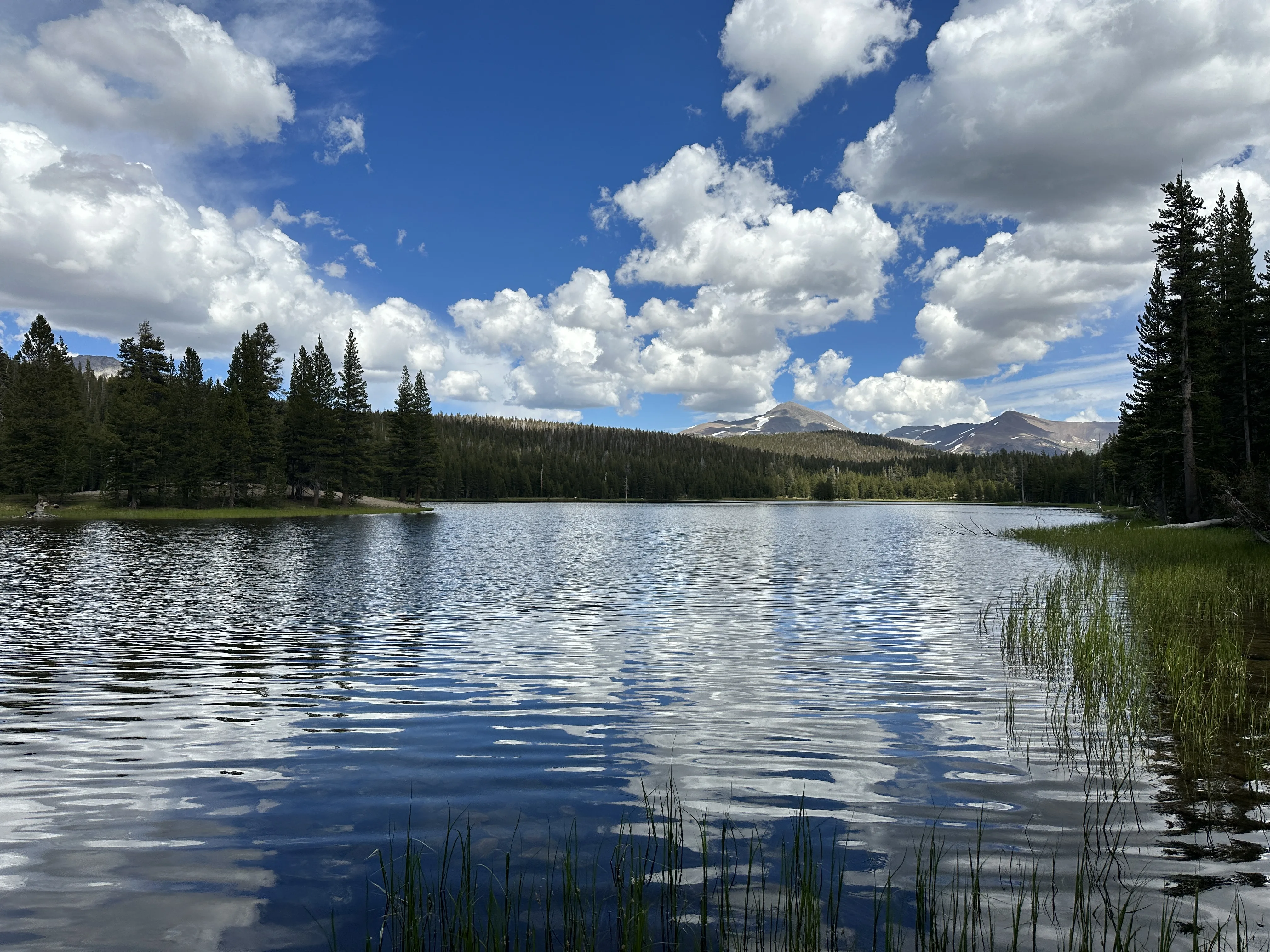
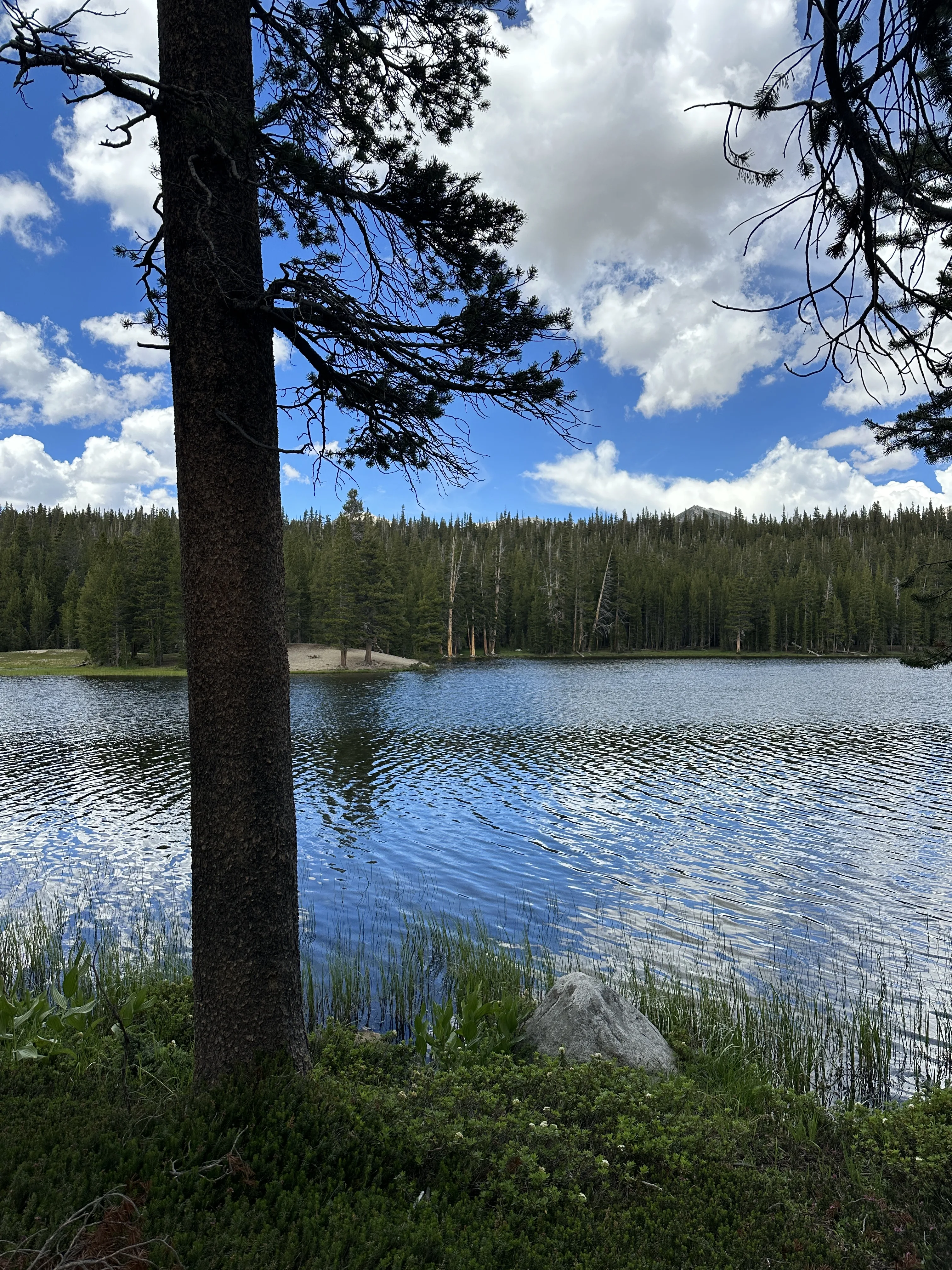
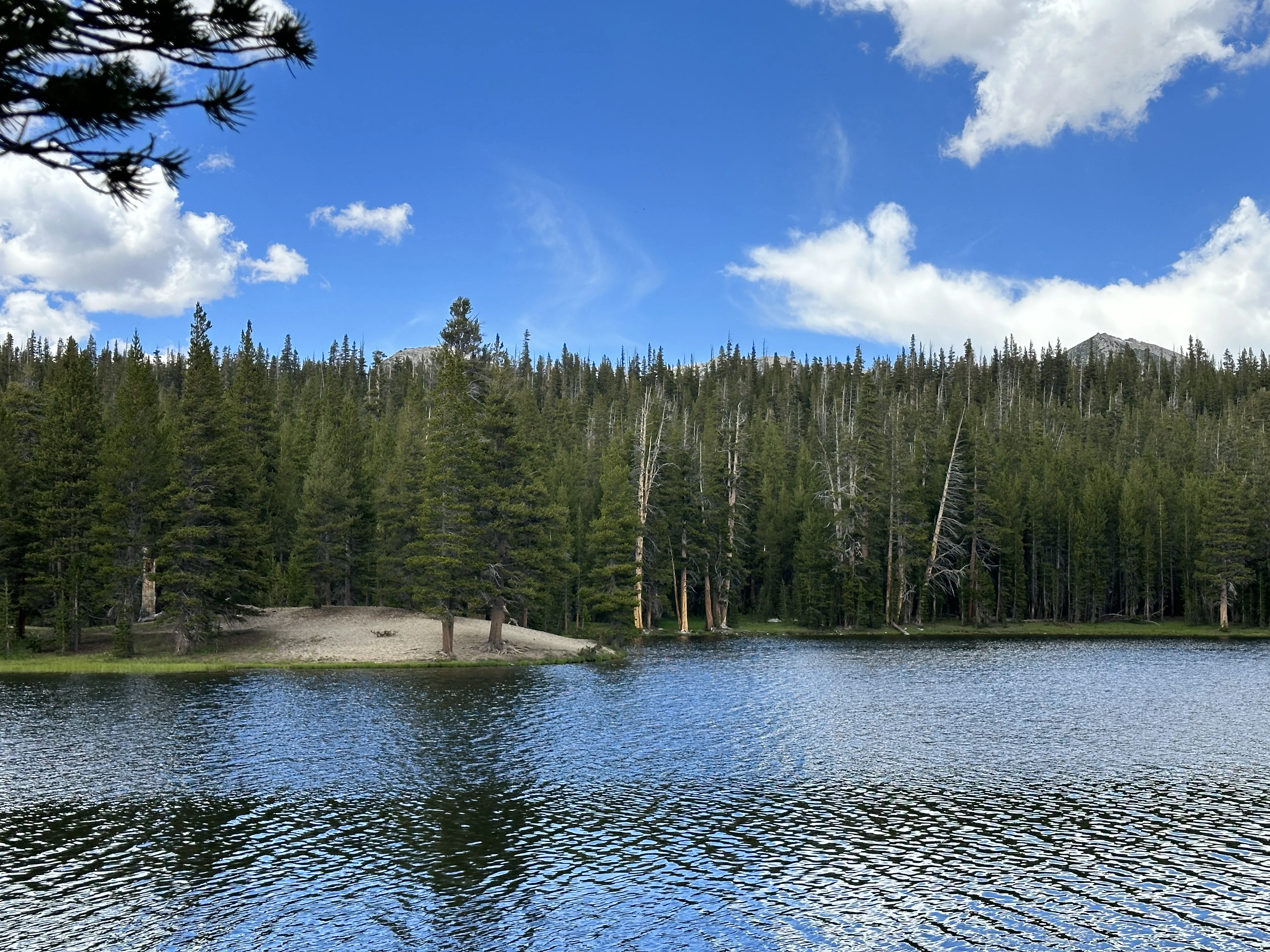
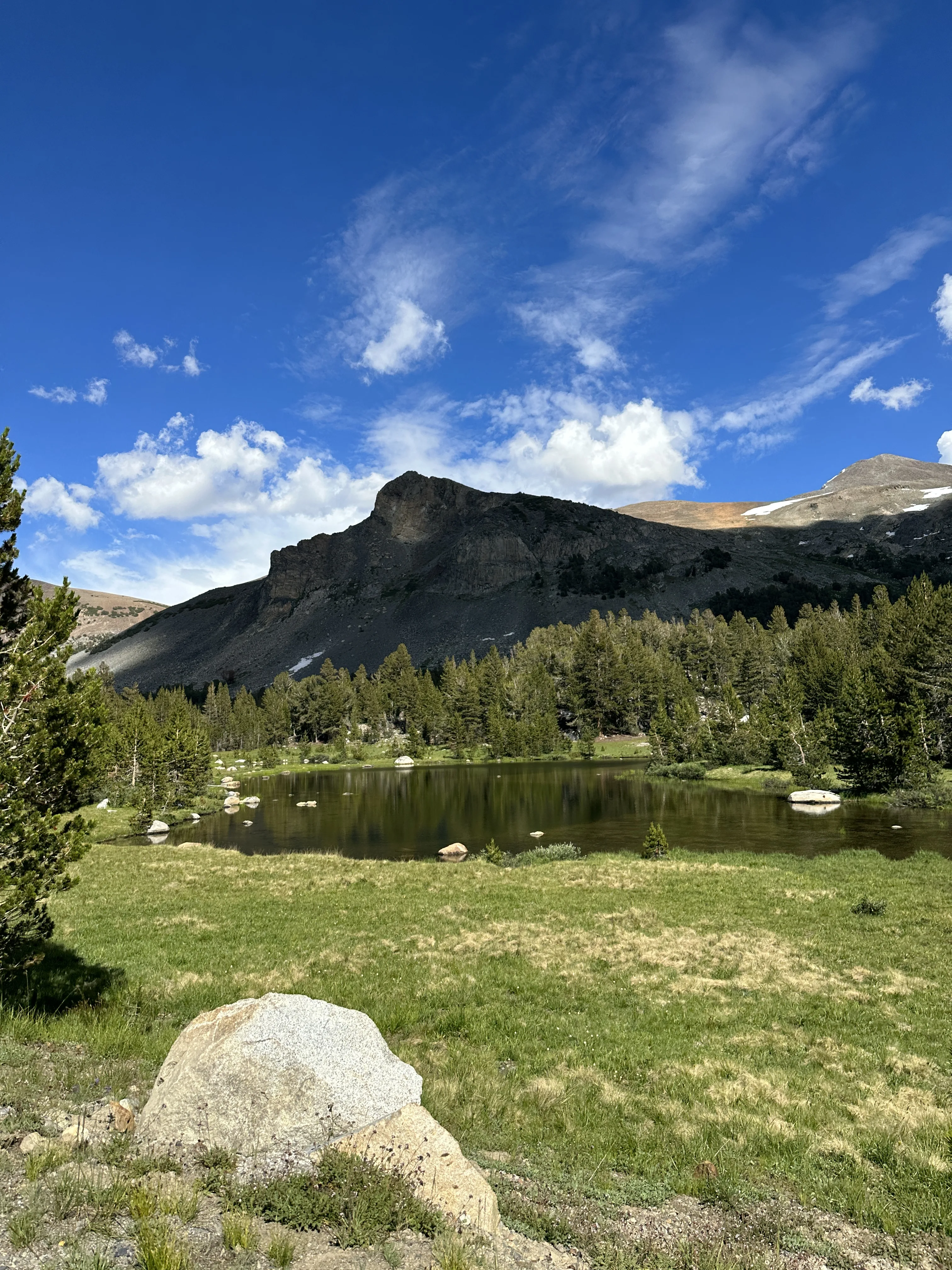
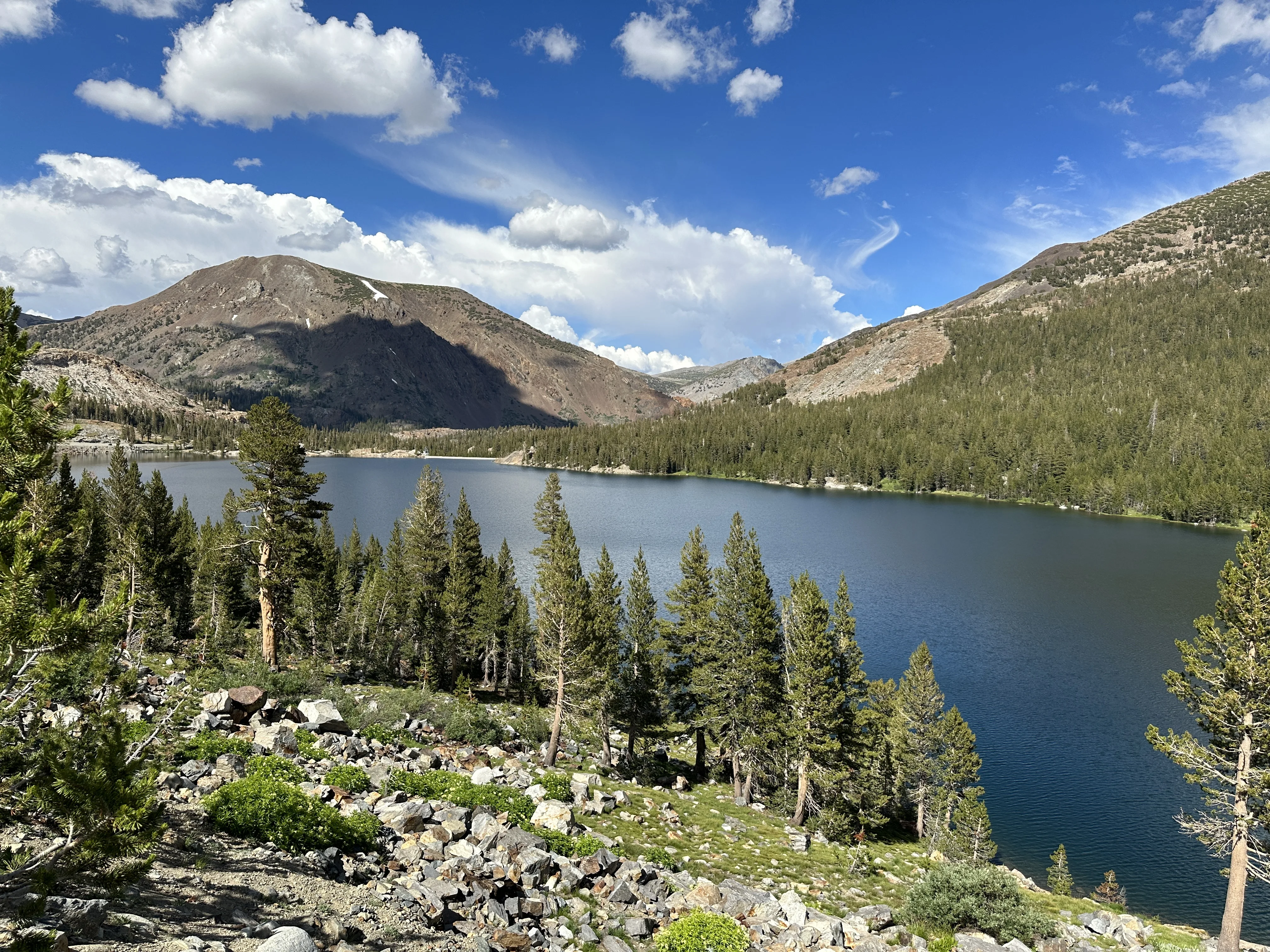
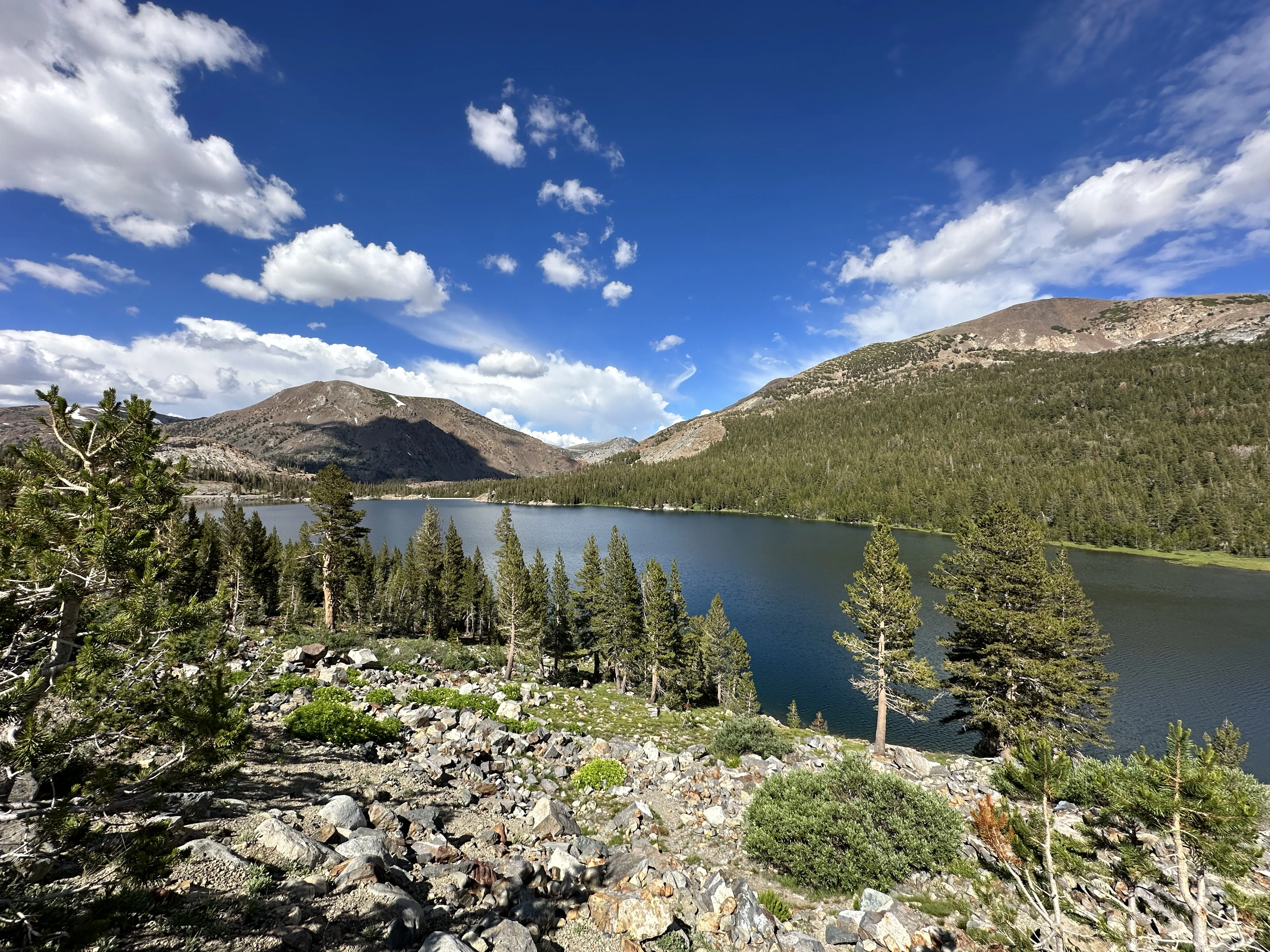
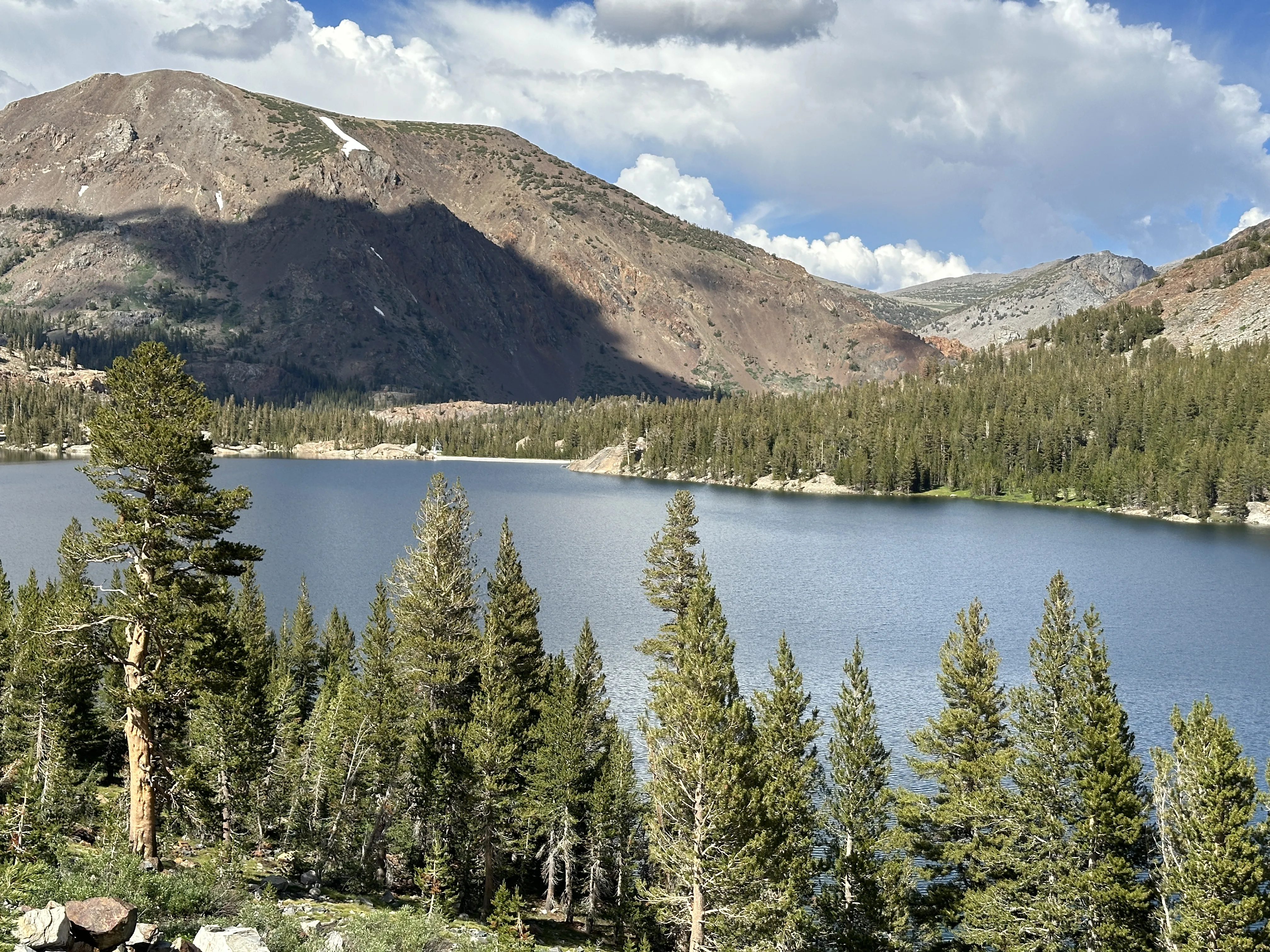
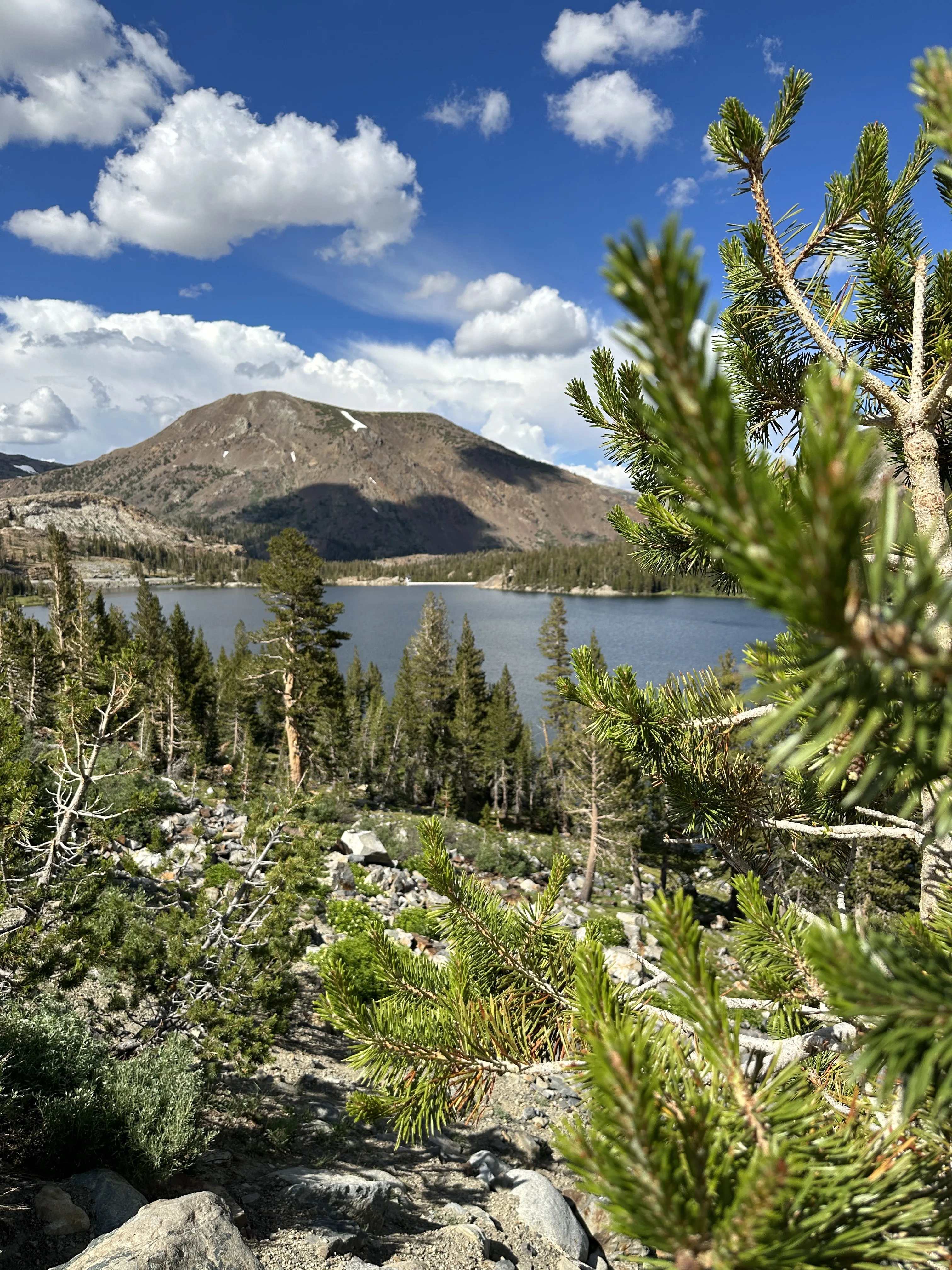
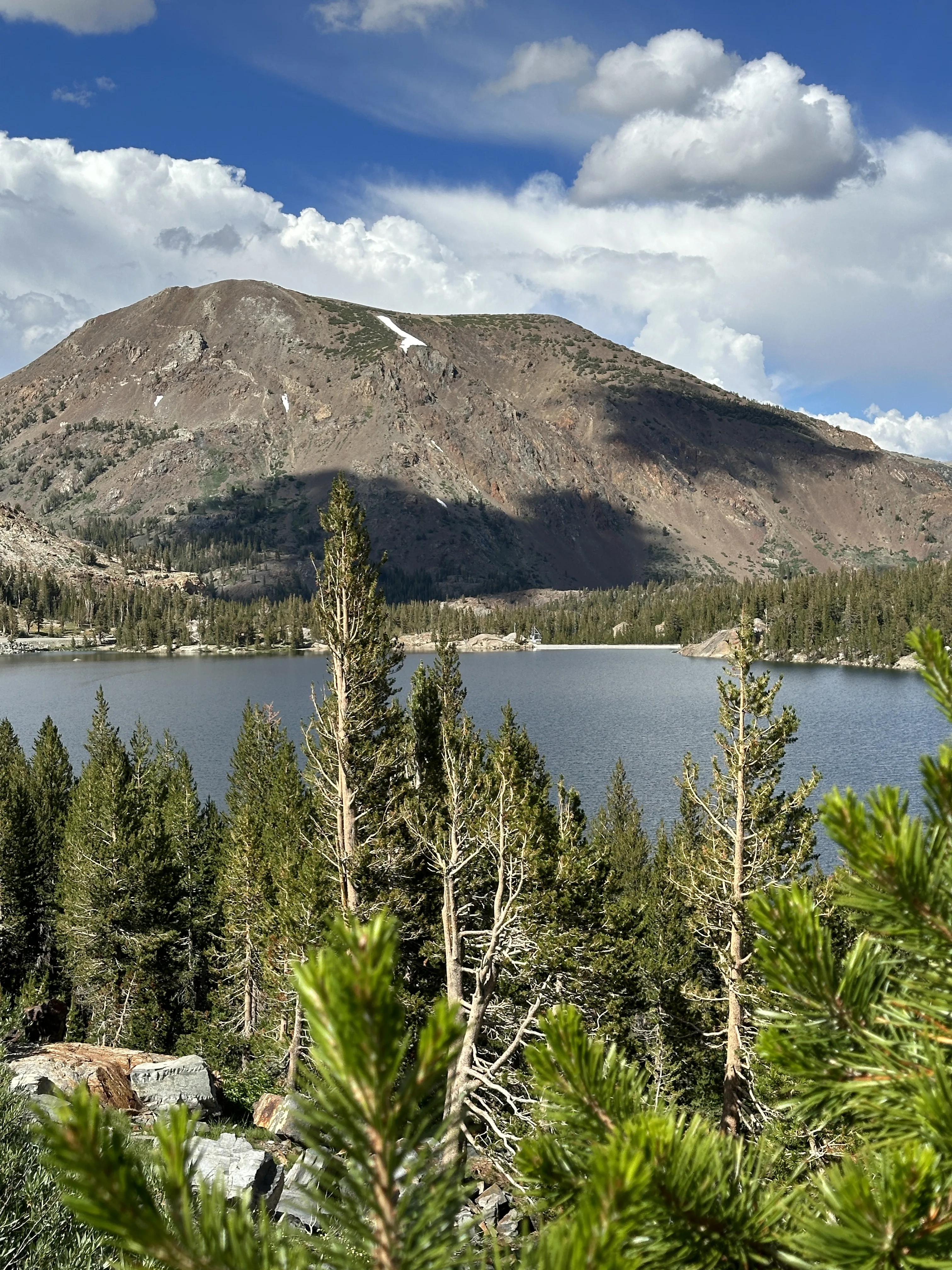
The official National Park Service route description calls it a 47-mile scenic drive between Crane Flat and Tioga Pass, but it feels bigger than that. Maybe it is the altitude. Maybe it is the way the landscape changes every few minutes. One moment you are driving through forest; the next you are beside a mirror-like lake, looking at granite so clean and bright it almost looks unfinished.
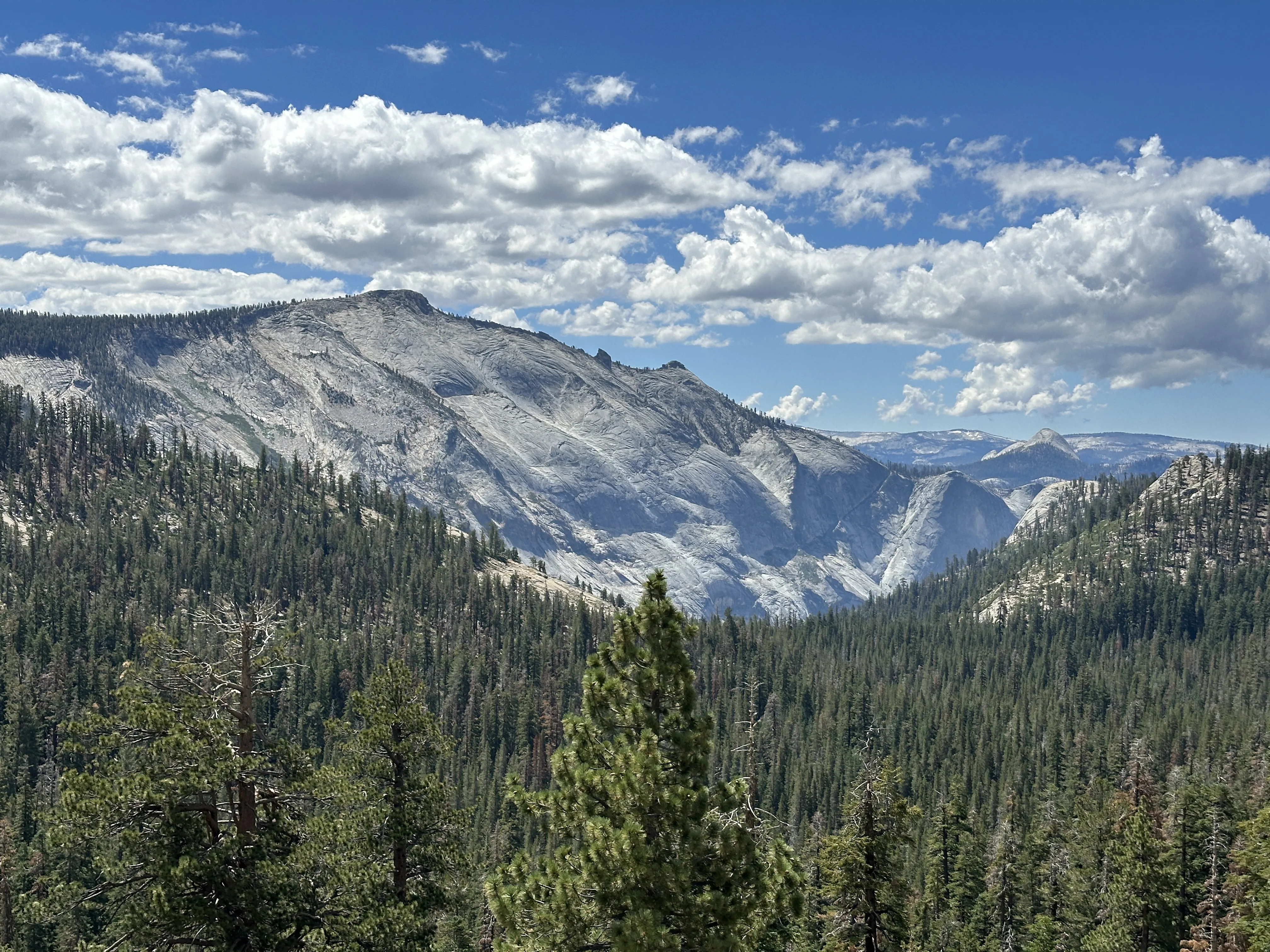
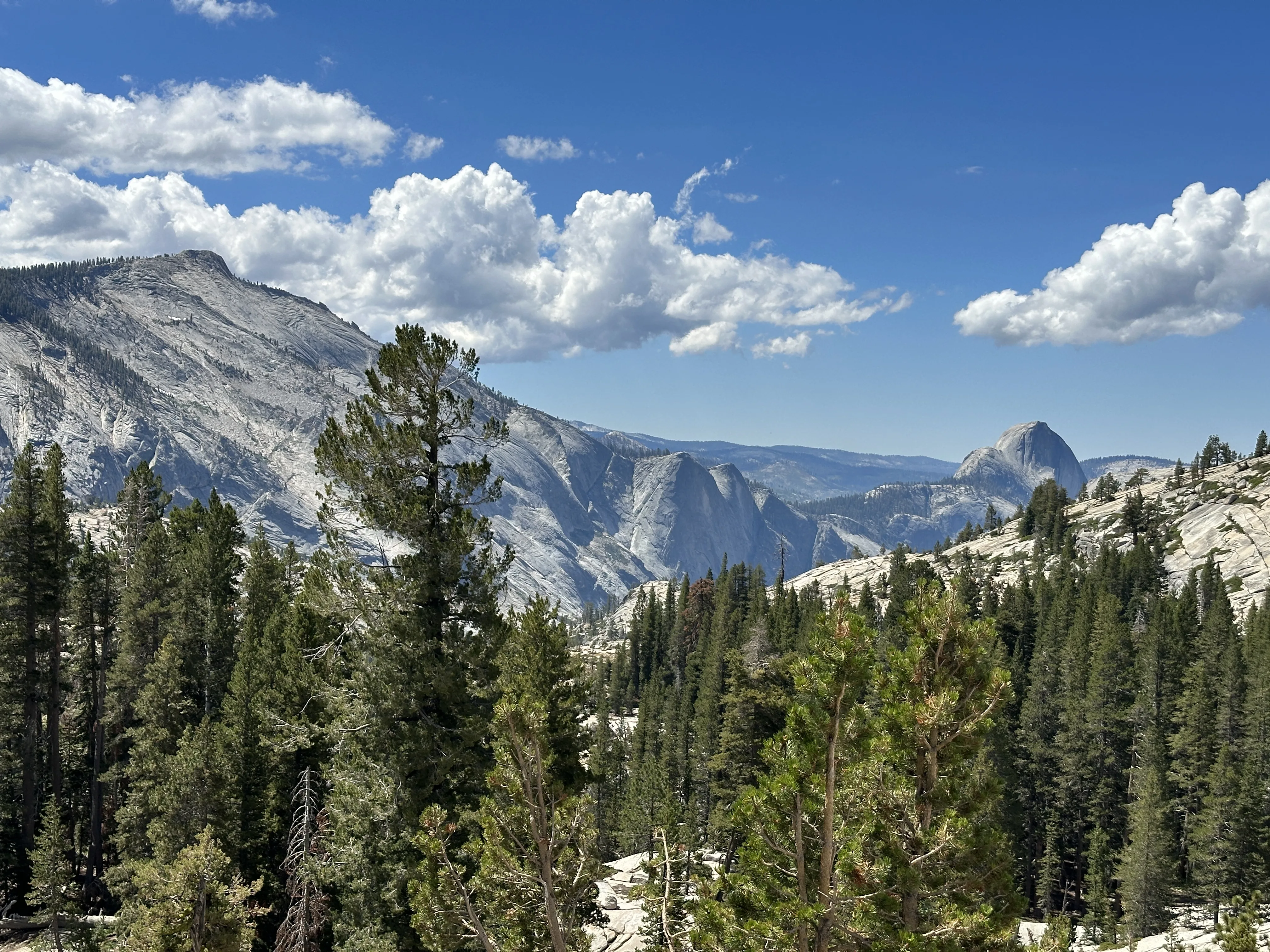
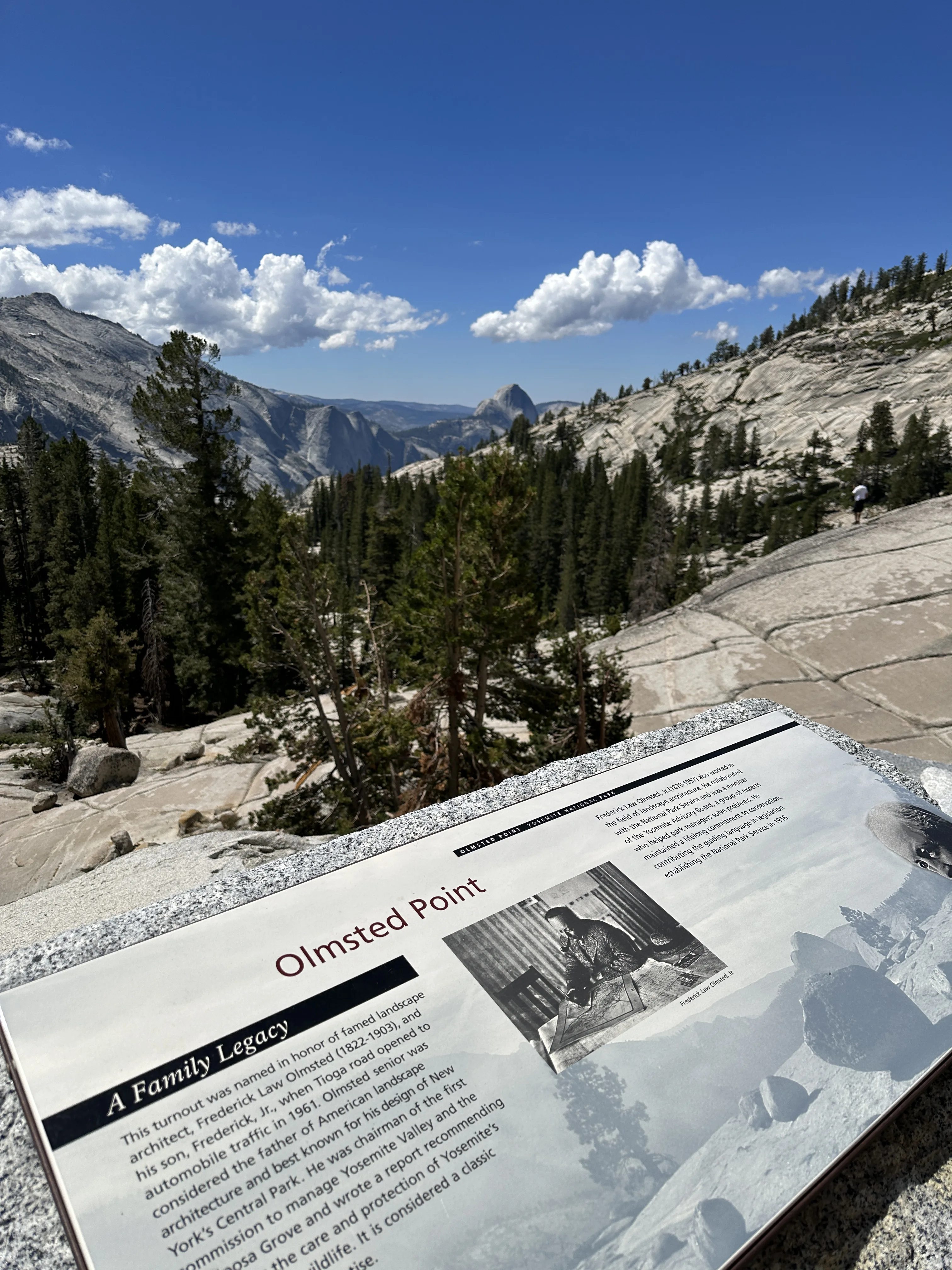
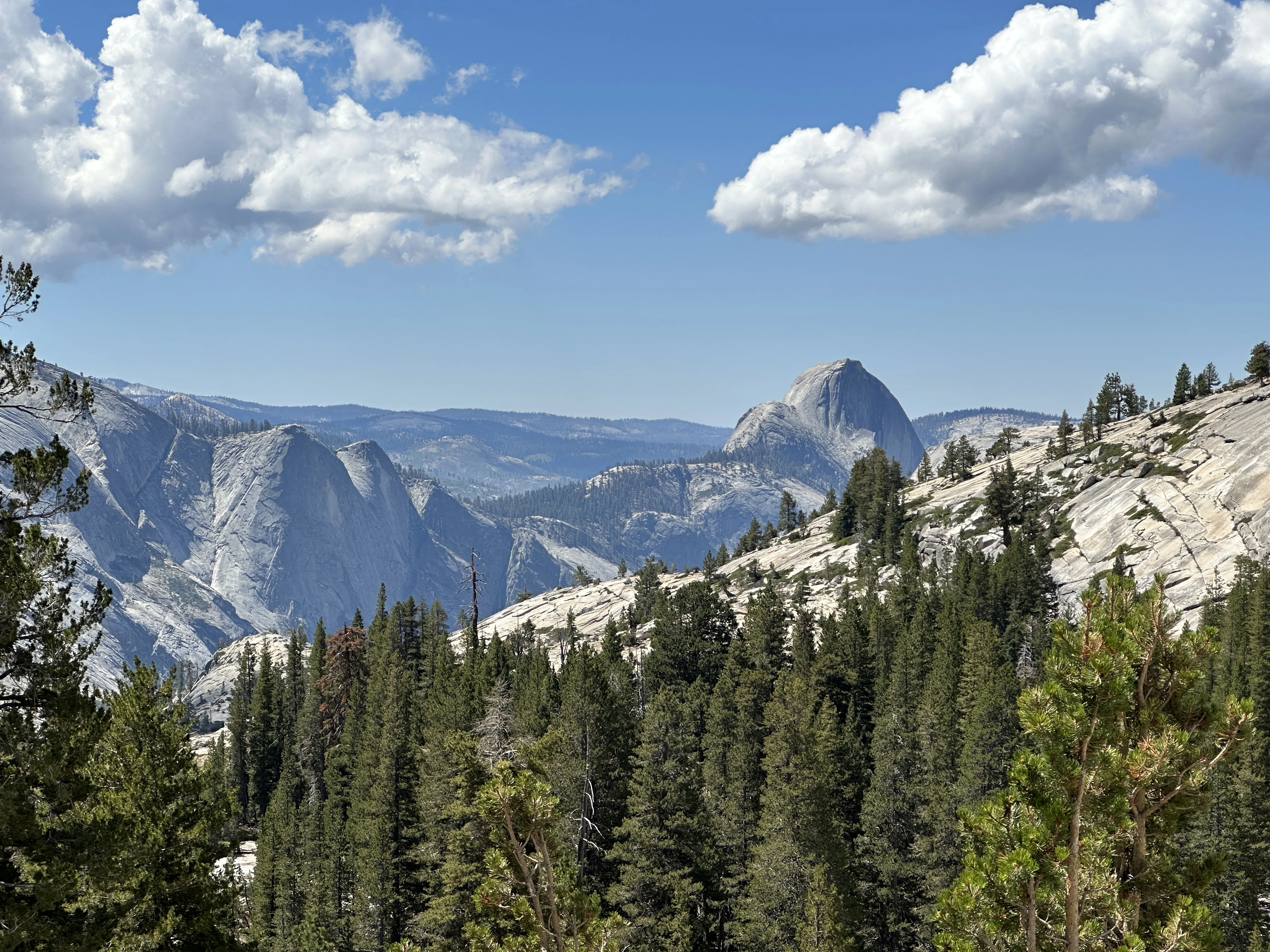
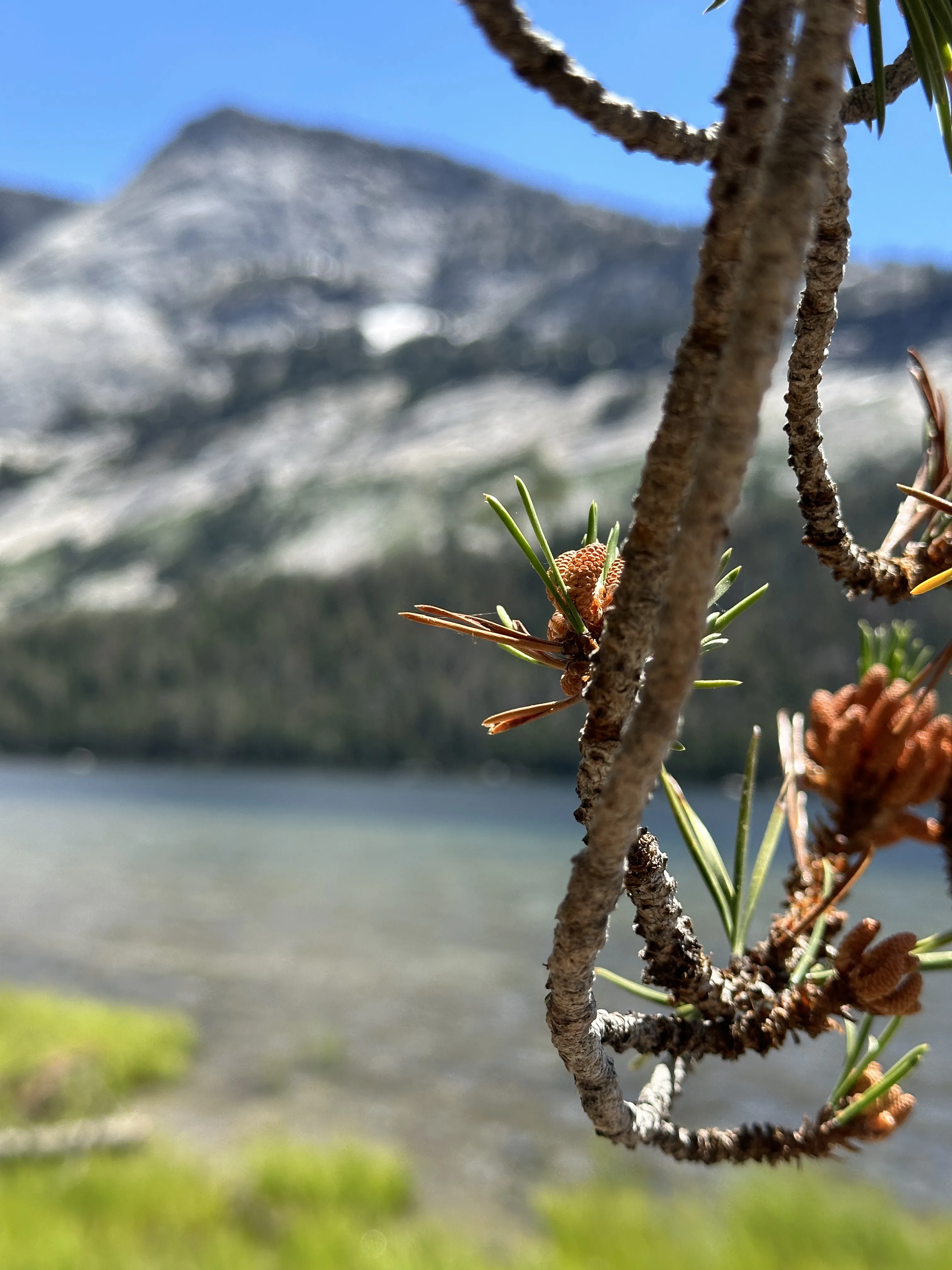
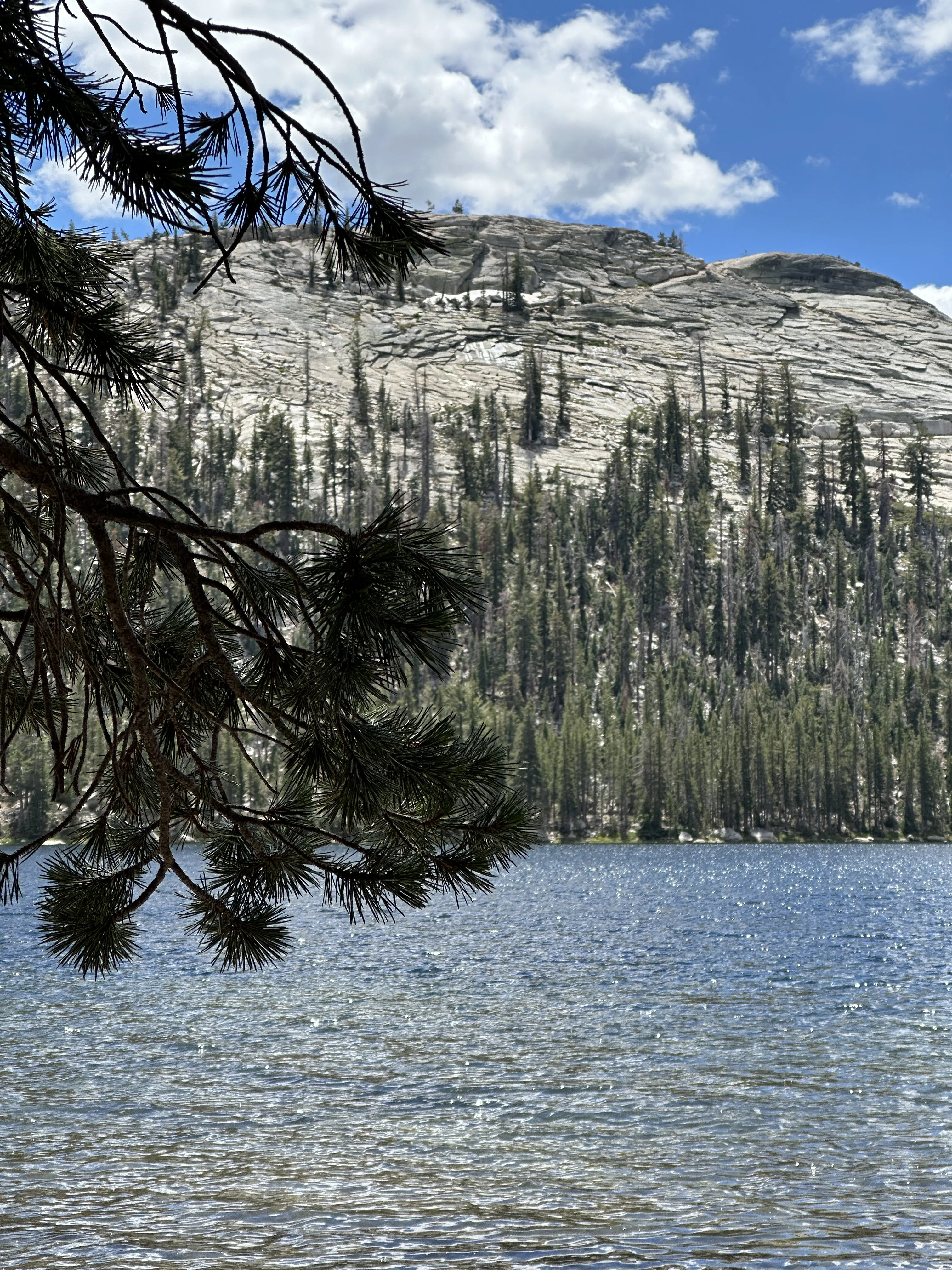
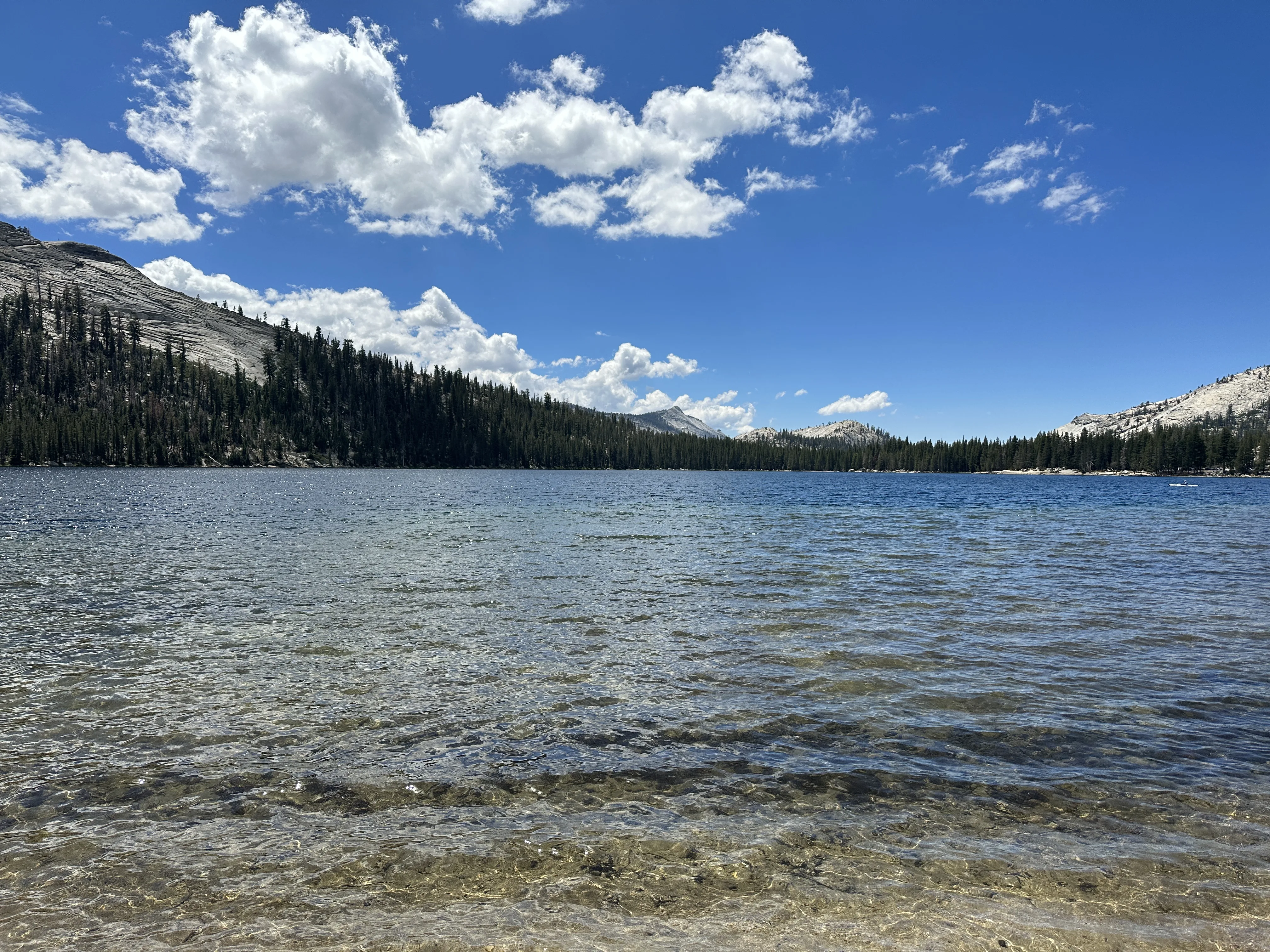
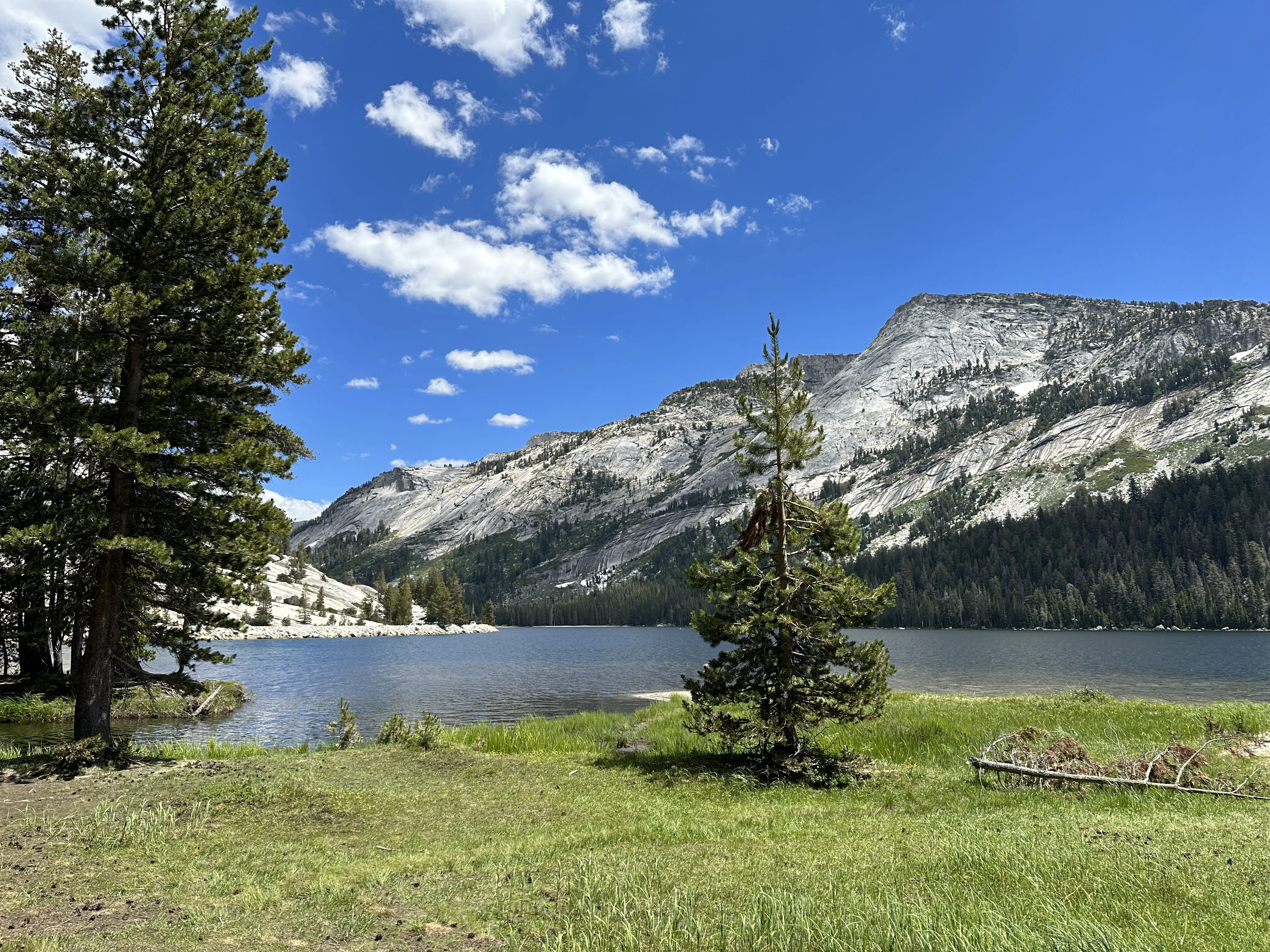
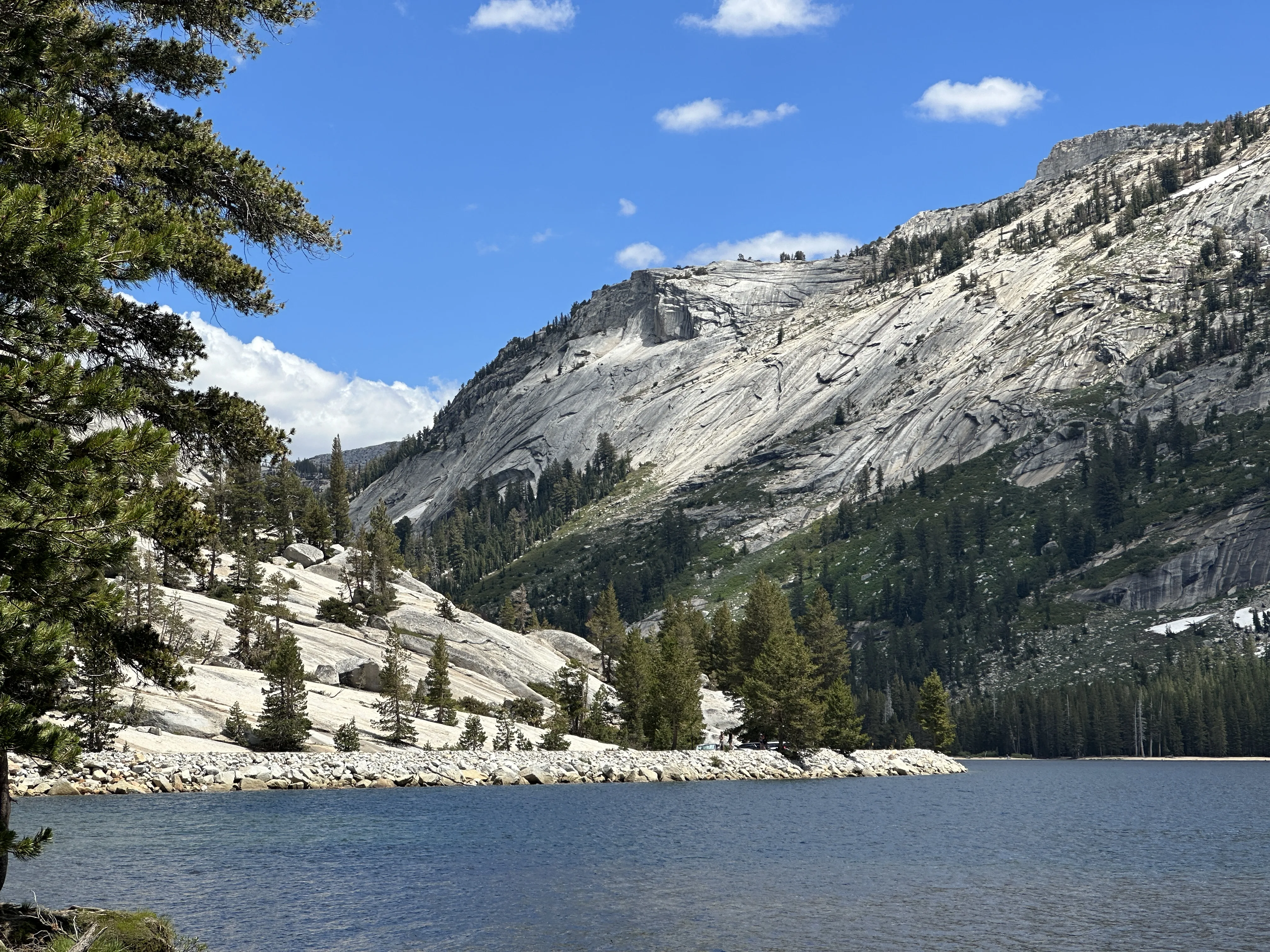
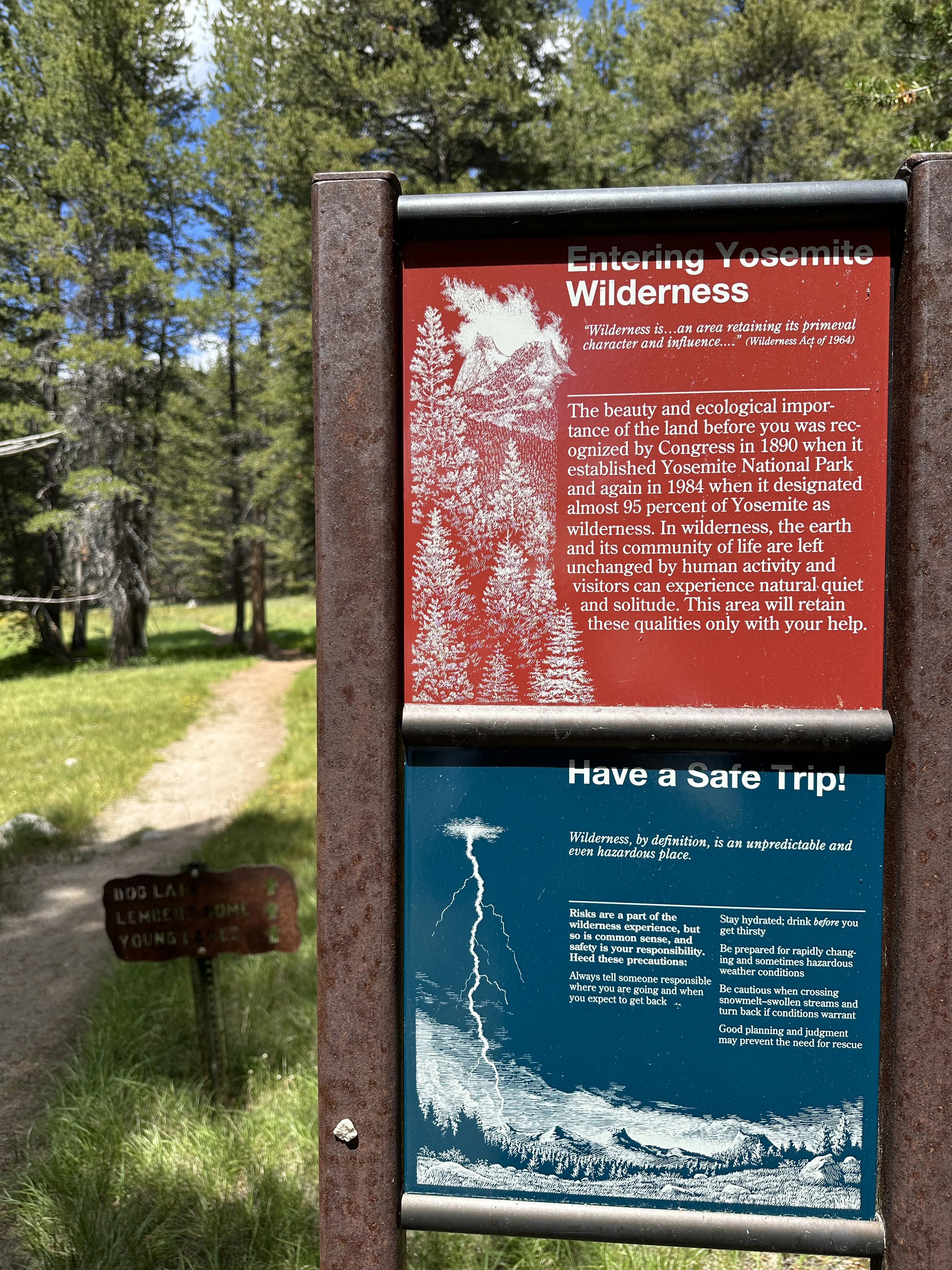
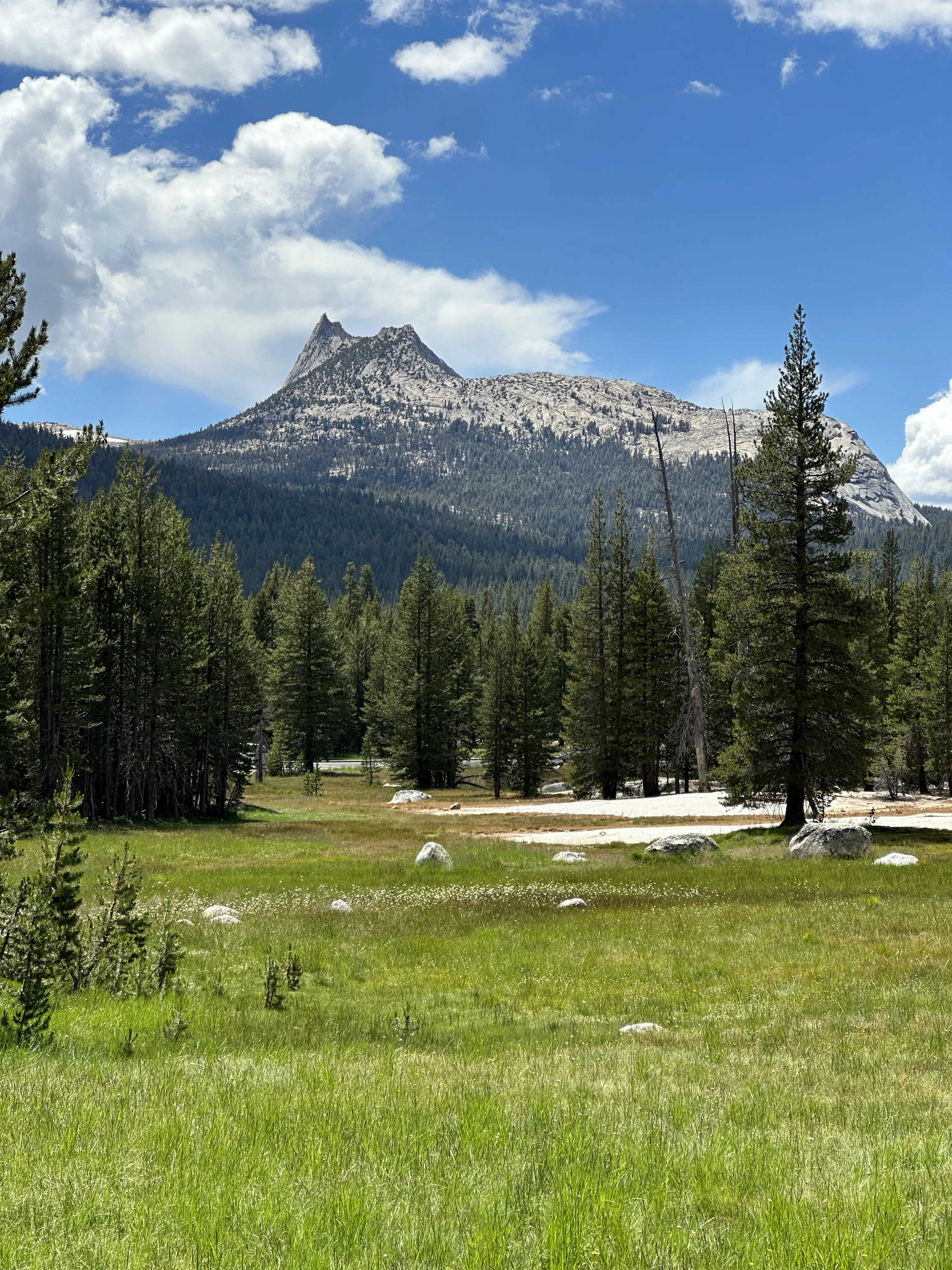
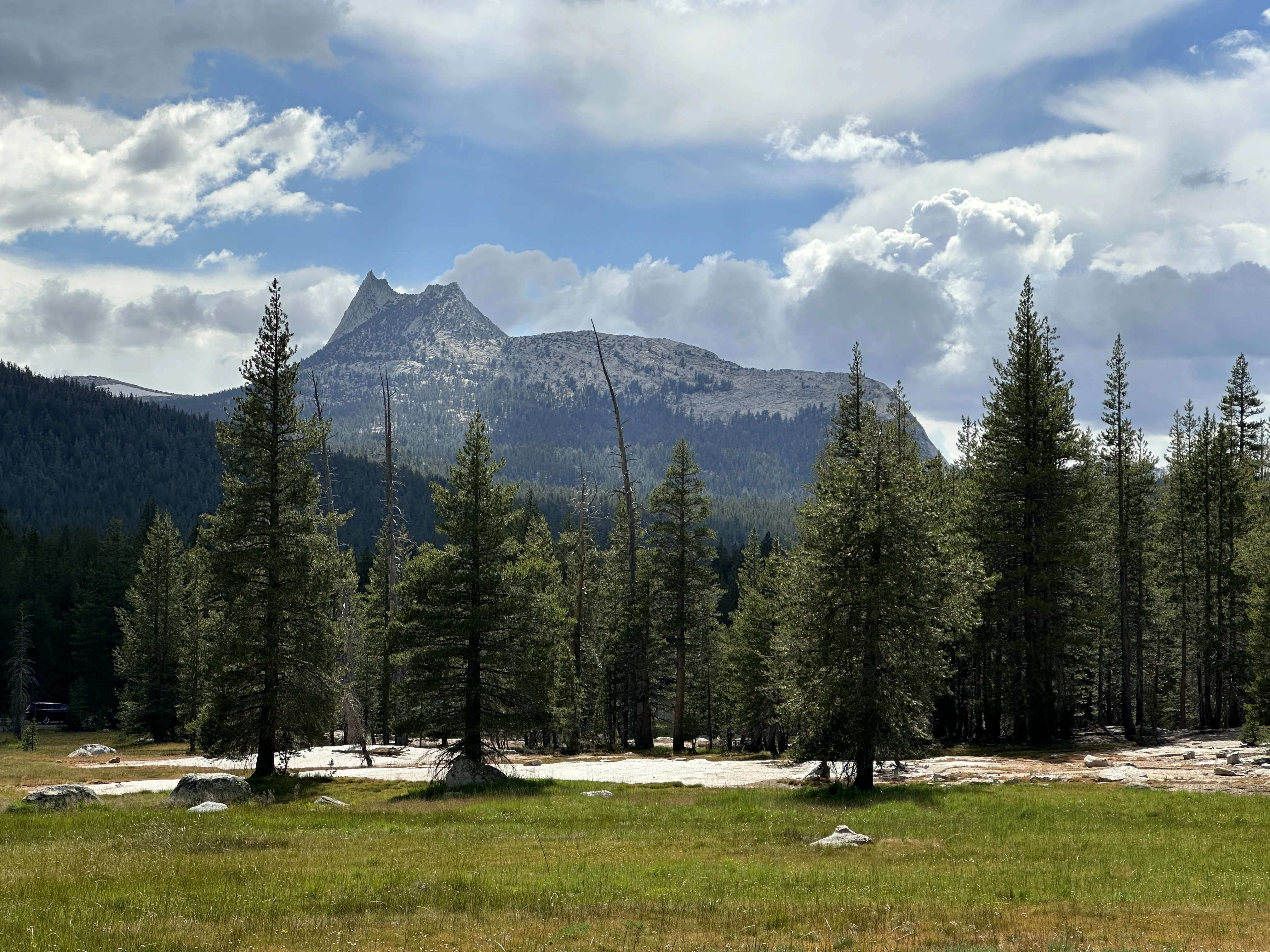
Some of the best stops along the way are simple ones: Tenaya Lake, where the water sits right beside the road; Olmsted Point, with its view toward Half Dome, Tenaya Lake, Clouds Rest, and glacial erratics left behind like punctuation marks; and Tuolumne Meadows, one of the largest high-elevation meadows in the Sierra Nevada. The meadow is fragile, so the invitation is not to conquer it, but to walk gently and stay on official trails.
Tioga Road is seasonal, and services in the high country can be limited even when the road is open. That is a good reminder for any visit: the high country is beautiful, but it is not a place to improvise carelessly. Bring water, food, layers, fuel, and a flexible plan.
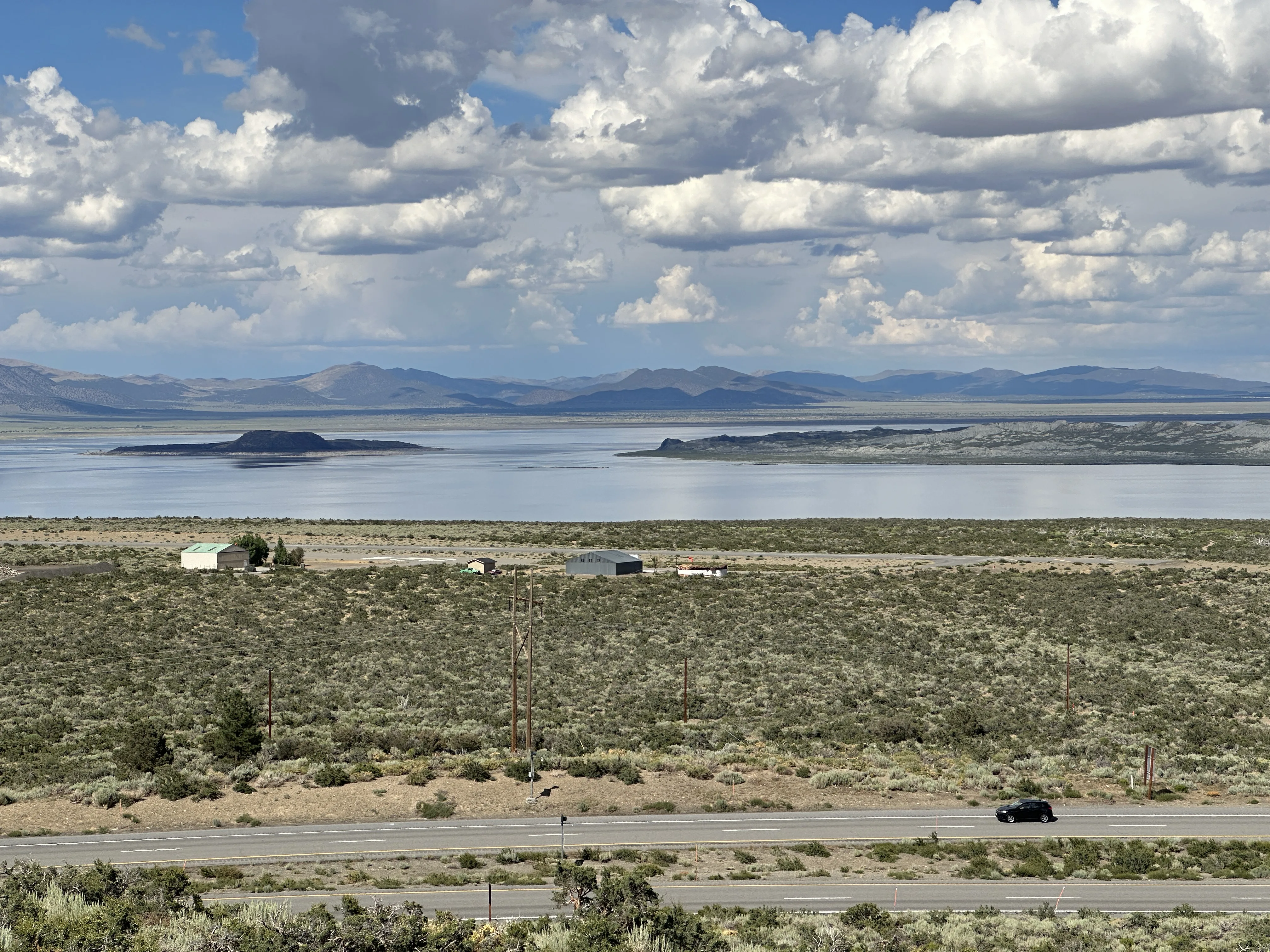
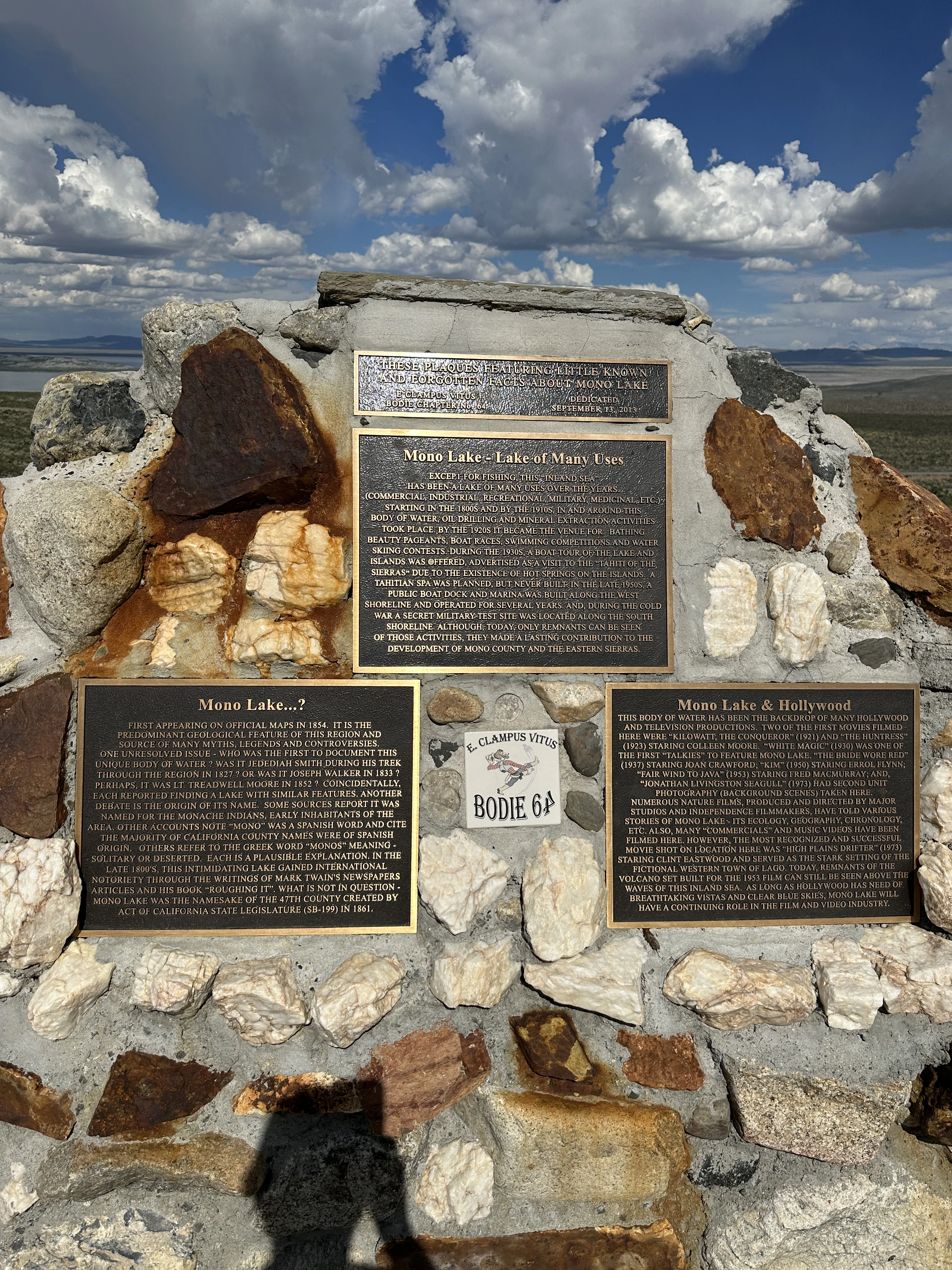
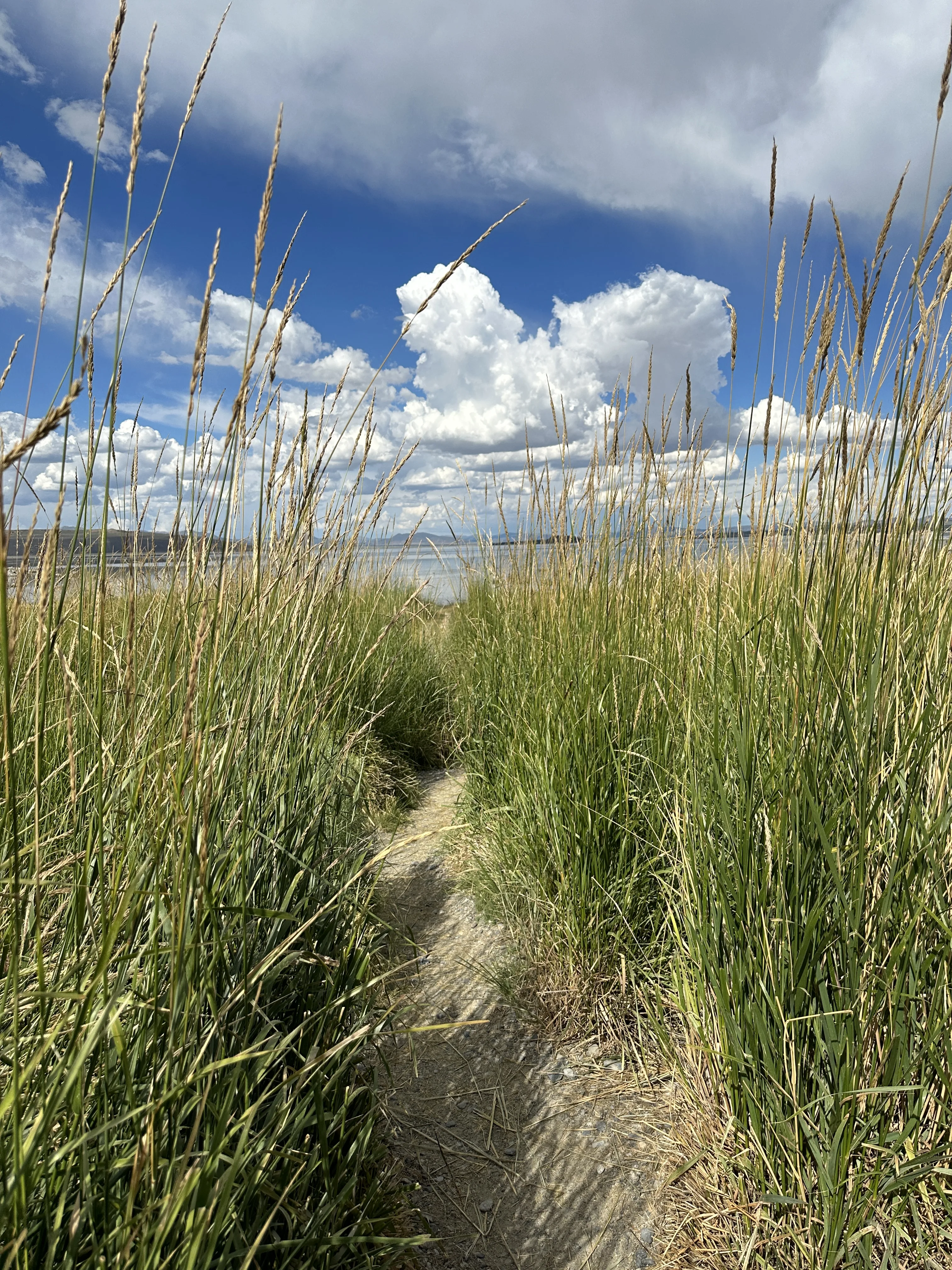
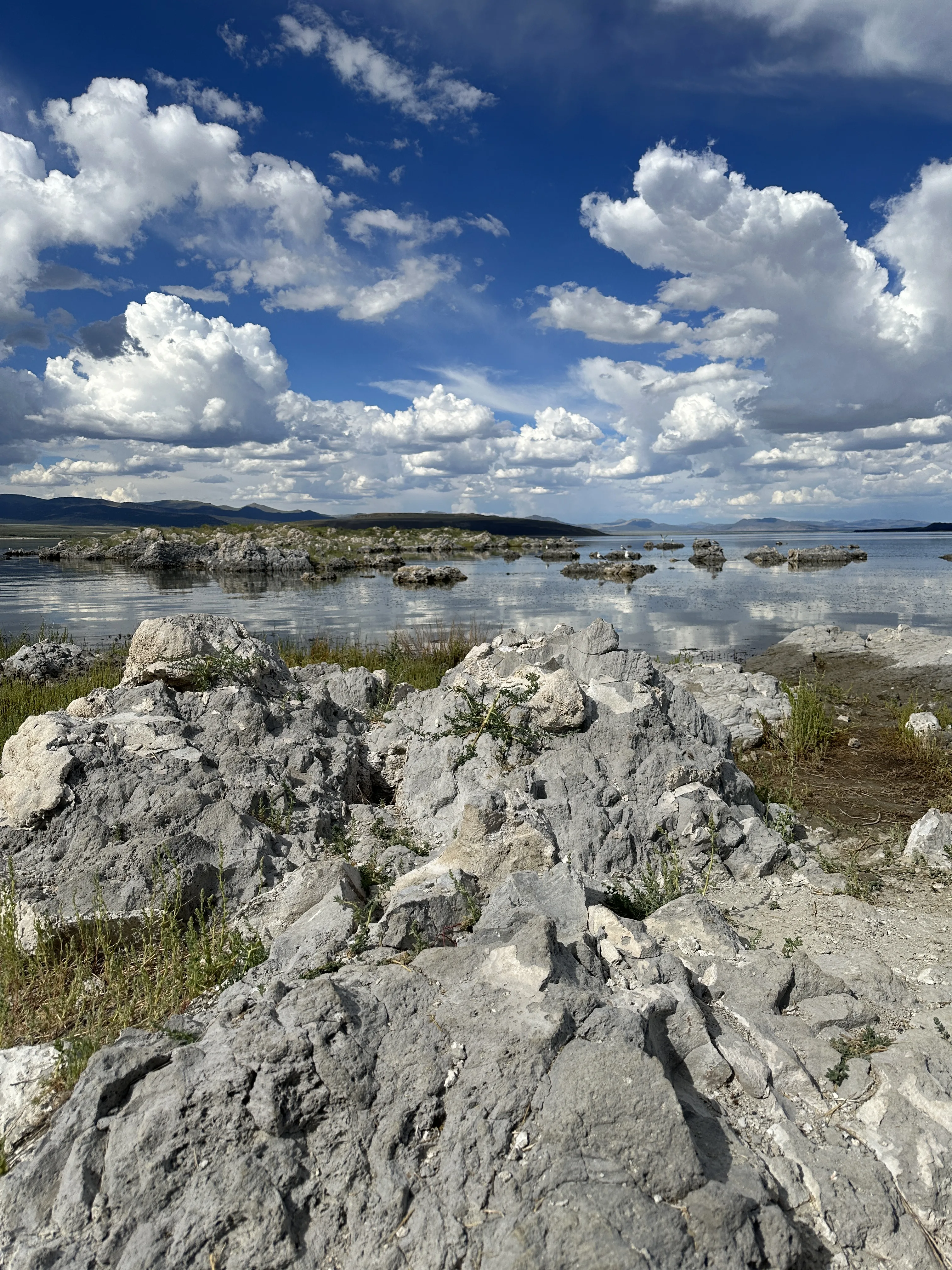
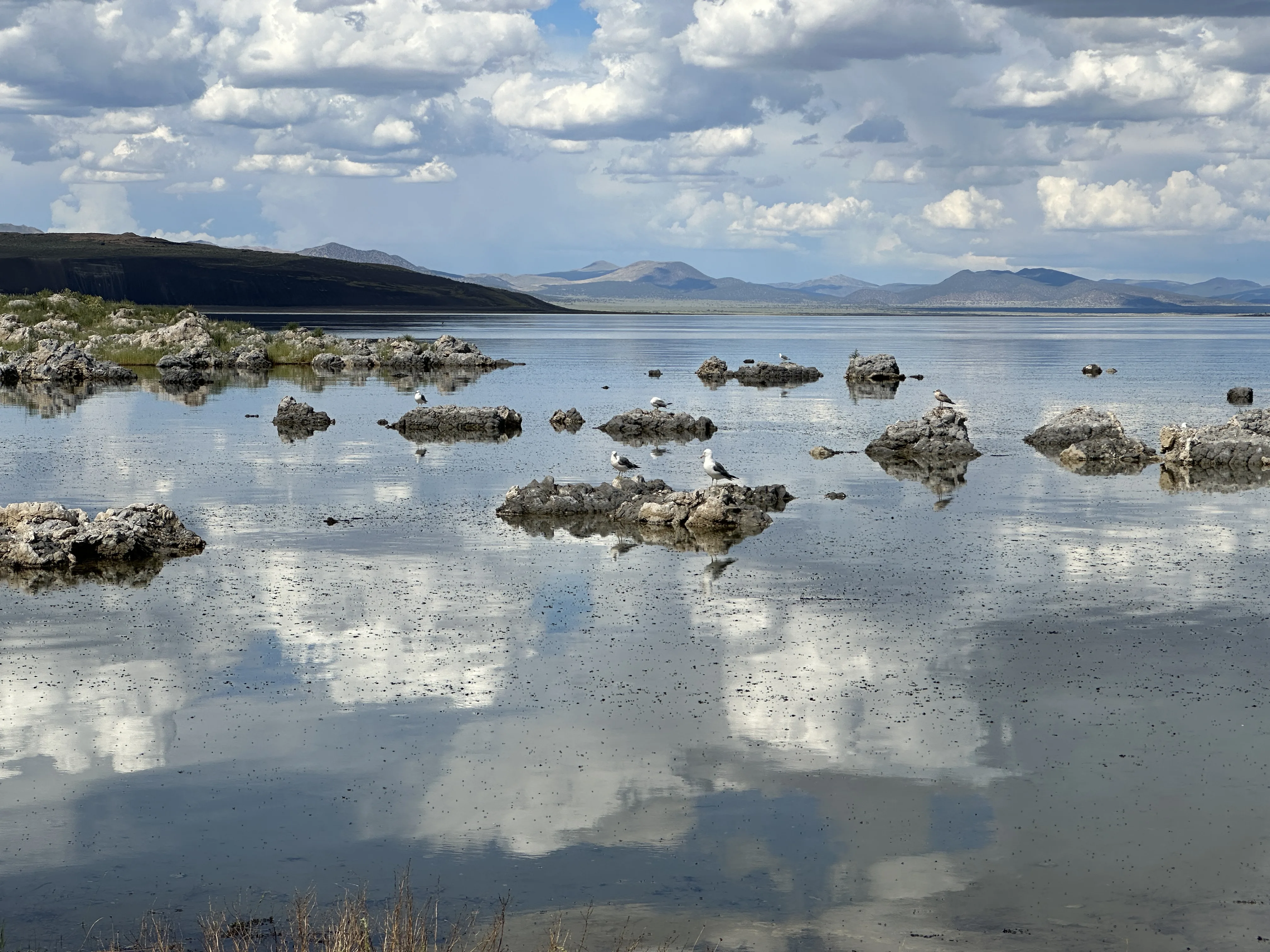
Once the road descends toward the Eastern Sierra, the mood changes again. Mono Lake appears with its tufa towers, alkaline water, huge sky, and strange stillness. California State Parks describes Mono Lake as an ancient lake, over one million years old, with no outlet. Because water leaves mostly by evaporation, salts and minerals have concentrated over time, making the lake much saltier than the ocean and very alkaline. The tufa towers formed where calcium-bearing freshwater springs interacted with carbonate-rich lake water, leaving behind limestone spires that now look like ruins from another world.
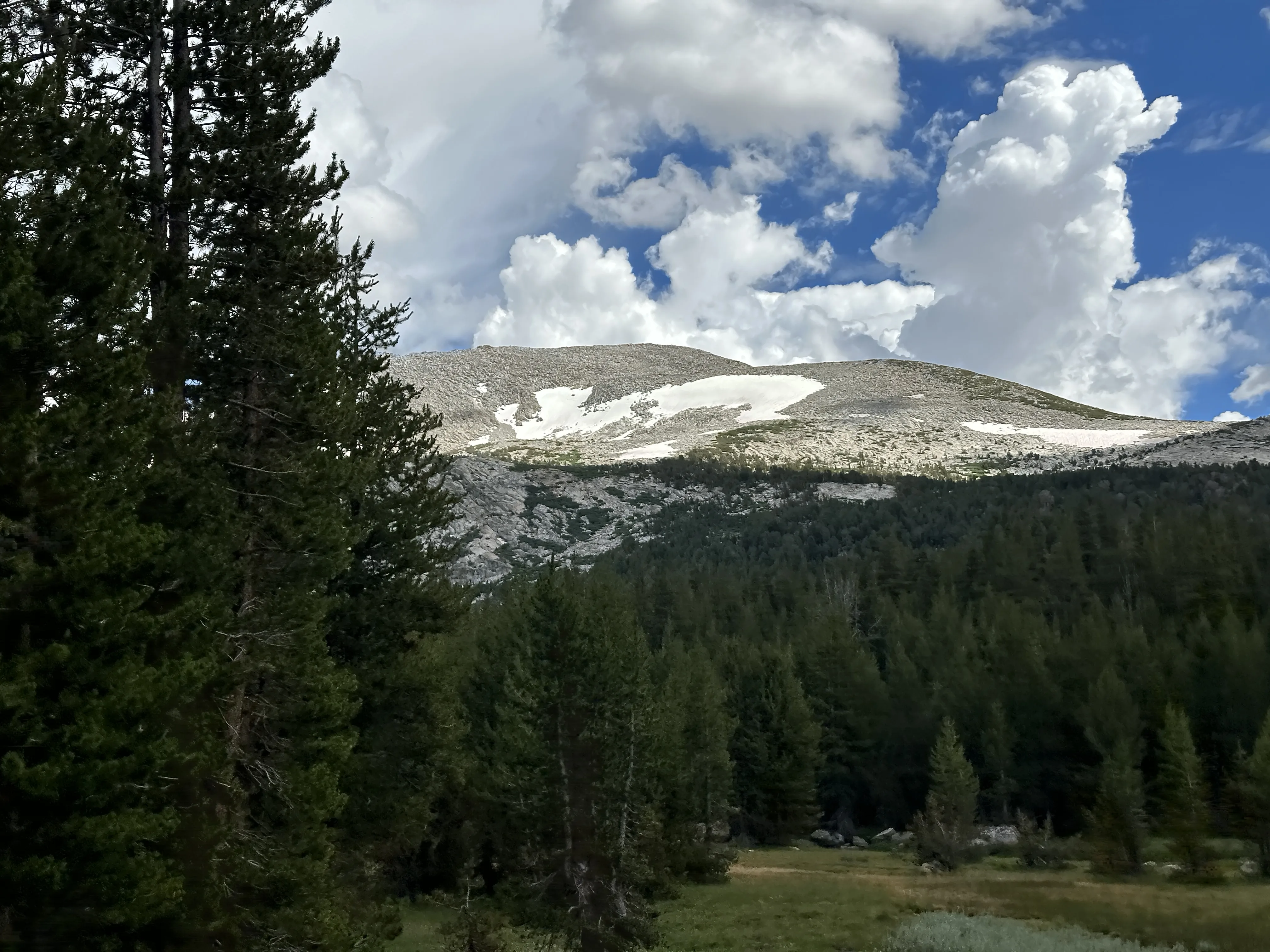
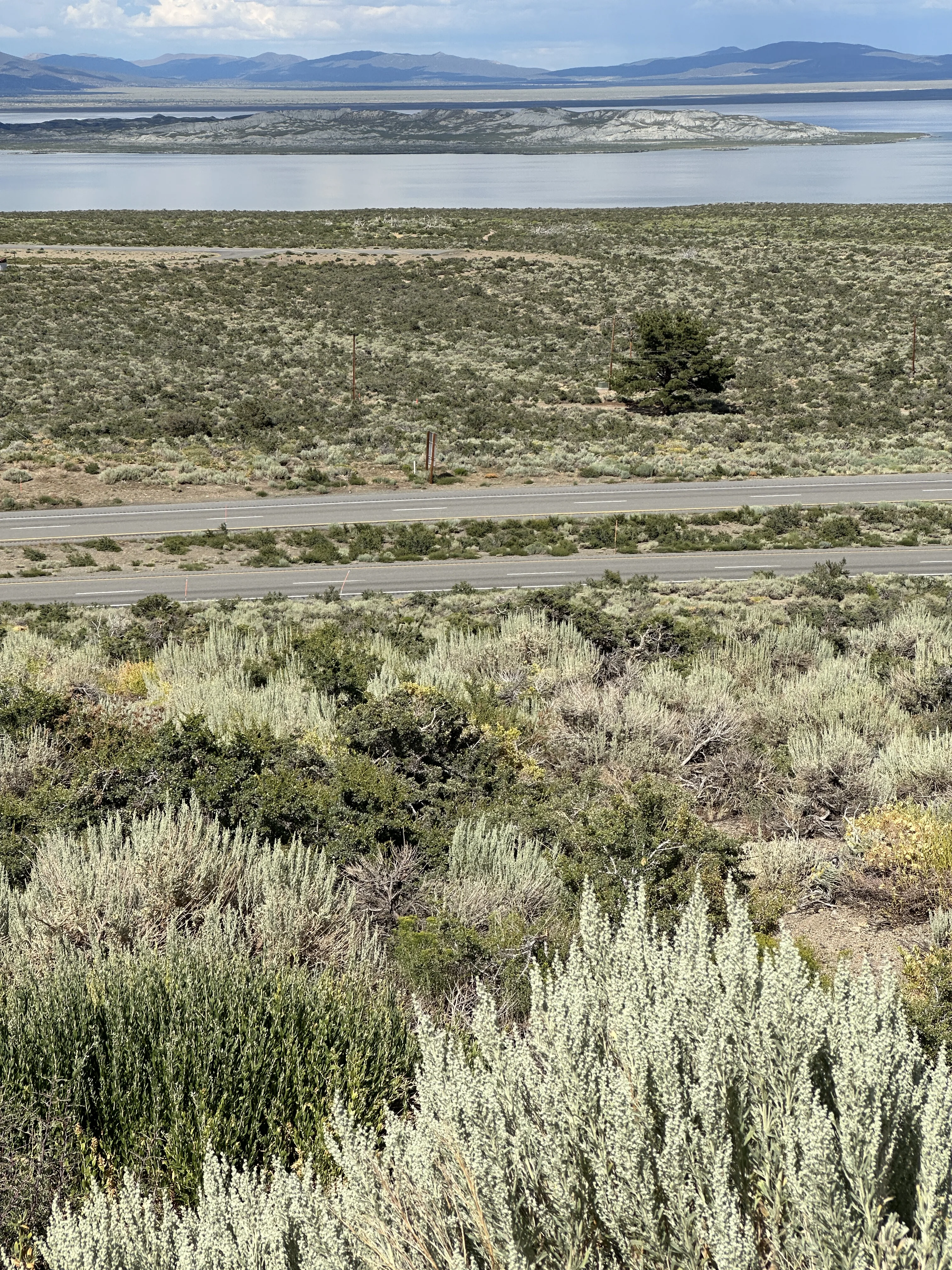
That is what I love about this drive: it is not only a road from Yosemite to the Eastern Sierra. It is a transition between worlds. Forest becomes meadow, meadow becomes granite, granite becomes desert, and then suddenly there is a lake that looks like it belongs on another planet.
Official Links and Planning Notes
- Yosemite: Tuolumne Meadows and Tioga Road
- Yosemite: Tioga Road plowing and road opening updates
- Yosemite: permits and reservations
- Mono Lake Tufa State Natural Reserve
Before going, check road status, weather, fire restrictions, entrance rules, and facility availability. Tioga Road opens and closes with mountain conditions, and Mono Lake access can vary by site, season, weather, and restoration work. Use the official pages for the latest access notes.
Gallery